
If you’re wondering, “Am I scared of intimacy?” this quiz can help you spot patterns in how you respond to emotional closeness, vulnerability, and physical affection. You choose answers like “yes,” “no,” or “sometimes,” and your pattern of responses may suggest whether closeness feels safe, uncomfortable, or overwhelming for you.
Typically, the statements explore whether you avoid talking about feelings, steer conversations away from yourself, feel that relationships get “too much,” or shut down when someone tries to get closer. It may also touch on how you react to emotions like tears, as well as comfort with touch such as hugs.
Keep in mind, an “Am I scared of intimacy?” quiz is meant for self-reflection, not a clinical diagnosis. If your results point to fear of closeness, it can be a helpful starting point for understanding triggers, reflecting on past experiences, and considering support from a licensed therapist if you want deeper change.
What the Am I Scared Of Intimacy Quiz Is For
The am i scared of intimacy quiz is a short self-reflection tool designed to help you notice patterns in how you respond to closeness. Instead of labeling you, it gives you a mirror for situations where emotional closeness feels risky, uncomfortable, or simply too much to hold.
Most versions are meant for private reflection and usually take around 5 to 8 minutes. You answer statements like whether you avoid talking about feelings, get uneasy with hugs, or shut down when someone tries to get physically or emotionally closer.
How Quiz Statements Point to Emotional Avoidance
Many questions focus on behaviors that often happen automatically. For example, some people notice they steer conversations toward other topics, avoid discussing their own emotions, or feel tense when someone shares something vulnerable.
Other items look at physical and emotional boundaries at the same time. If you feel uncomfortable with tearfulness, get stuck when someone wants to be close, or find physical affection overwhelming, the quiz is trying to capture that pattern in plain language.
How Scoring Usually Works And What Patterns Suggest
Scoring typically follows a simple structure. You answer each statement with yes, no, or sometimes, and your overall pattern becomes the main takeaway.
If your answers are mostly yes, the quiz may suggest a more consistent fear of intimacy or closeness. If they are mostly no, it may indicate that closeness does not trigger the same level of avoidance. If you choose sometimes most often, it can point to triggers that depend on the relationship, timing, or emotional context.
When Fear Shows Up Only In Certain Relationships
For a lot of people, intimacy fear is not evenly distributed. It may appear more strongly with certain personalities, attachment dynamics, or after specific events like conflict, betrayal, or long periods of distance.
This is why “sometimes” answers can matter. They often reflect a real pattern such as feeling safe with one type of partner but shutting down with another, or getting overwhelmed when a relationship becomes serious.
Answer With Calm Honesty Before You Try to Interpret Results
Before you score anything, it helps to answer while your mind is steady. If you take the quiz right after an argument or while you feel rejected, your answers can exaggerate avoidance that is actually situational.
Also, try to answer based on your usual behavior, not your best intentions. “I want closeness” is different from “I respond with distance when someone gets close,” and the quiz is mainly tracking response patterns.
Turn Your Pattern Into a Practical Map
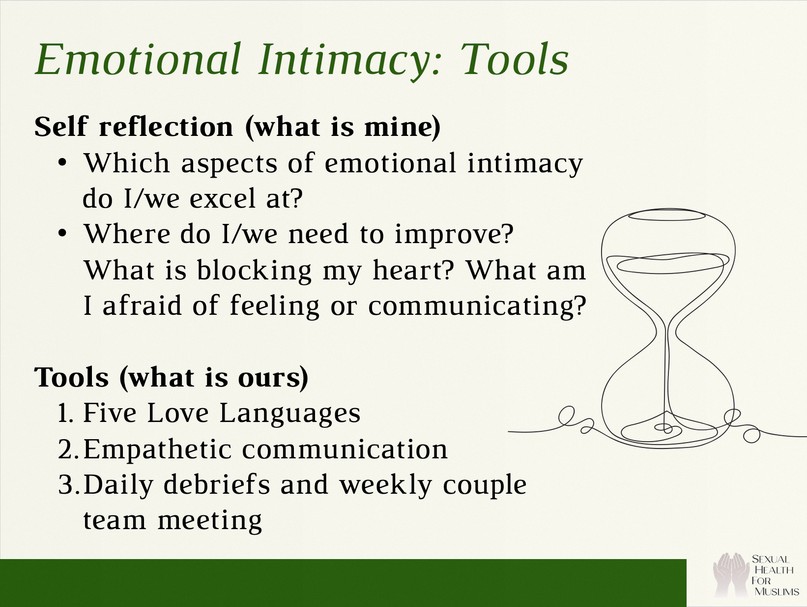
Once you know your overall leaning, it can be easier to decide what to do next. A simple comparison helps you turn the quiz from a one-time result into a working plan.
The table below is a quick way to translate the common outcome patterns into tangible next steps.
| Outcome Pattern | What It Can Suggest | Next Helpful Action |
|---|---|---|
| Mostly Yes | Consistent avoidance of emotional and physical closeness | Discuss fears with a therapist and practice gradual exposure |
| Mostly Sometimes | Intimacy fear triggered by specific situations or partners | Track what triggers shutdown and what helps you stay present |
| Mostly No | Comfort with closeness and emotional sharing | Keep healthy boundaries and communicate needs early |
| Response Options | Yes, No, Sometimes across statements | Look for clusters, not single “outlier” answers |
| Time to Complete | Typically 5 to 8 minutes | Revisit later if your relationship context changes |
Use this map to choose one small experiment rather than trying to fix everything at once. Progress usually looks like repeating a safer behavior, not forcing a sudden transformation.
Link The Quiz to Attachment Styles Without Over-Labeling
Many people find their results line up with attachment patterns. If intimacy feels threatening, you might notice avoidant tendencies such as distancing when the relationship gets serious or treating vulnerability as a burden.
If you also fear rejection or uncertainty, the pattern can feel different even if the quiz still points toward intimacy discomfort. The key is to use attachment styles as a lens, not a permanent identity.
If you want practical resources on intimacy alongside your reflections, it can help you pick language and strategies that fit your situation.
How to Talk With a Therapist About Fear of Closeness
Bringing up fear of intimacy can feel vulnerable, especially if you already worry about being judged. A therapist is usually focused on patterns and causes, not on blame.
You can start with what the quiz noticed, like avoiding emotional conversations or feeling uncomfortable with physical affection. Then you can ask what might be driving that response, including past relationship experiences, stress, or trauma-linked patterns.
Practical Steps For Building Closeness Gradually
Instead of aiming for “instant closeness,” focus on small, repeatable behaviors that make intimacy feel safer. For example, you can practice sharing one honest feeling per conversation, then stop before you overwhelm yourself.
Physical affection can also become a step-by-step process. You can discuss preferences, ask for consent, and set a pace that matches your nervous system, even if that pace is slower than what feels “normal” in other relationships.
- Pick one trigger scenario, like when someone asks about your feelings.
- Choose one alternative response, such as naming your discomfort and taking a brief pause.
- Repeat the experiment for a few weeks and note what changes.
Common Mistakes After Taking the Quiz
One common mistake is treating the quiz result as proof of a permanent flaw. A fear pattern can be real and still be changeable with support, practice, and time.
Another mistake is comparing yourself to other people’s relationships. If you feel overwhelmed by speed, that does not mean you are “broken.” It usually means your closeness needs are specific and your coping strategy learned long ago.
Red Flags That Suggest Getting Professional Support
Consider professional support if intimacy avoidance causes ongoing distress, relationship breakdown, or repeated cycles you cannot interrupt on your own. If you regularly shut down, sabotage connection, or feel panic-like discomfort, a therapist can help you work with the nervous system side of fear.
Support is also worth it if past trauma, neglect, or harmful relationship experiences are involved. In those cases, the quiz can be a starting point, not the final answer.
Revisit The Quiz Over Time To Track Change
Fear of intimacy can shift as relationships change, stress levels fluctuate, and trust grows. Revisiting the quiz later can show whether your answers are still mostly the same or whether your “sometimes” patterns are narrowing.
When you retake it, compare not only the overall score but also which statements changed. That detail helps you spot what supports closeness, what still triggers avoidance, and what you can practice next.
Am I Scared of Intimacy Quiz: How to Interpret Your Results
What Is An Am I Scared Of Intimacy Quiz, And How Does It Work?
An am i scared of intimacy quiz is a short self-reflection test that asks how often you avoid emotional closeness, helping you notice patterns in your answers rather than providing a diagnosis.How Do You Score An Am I Scared Of Intimacy Quiz, And What Do Mostly Yes Or Mostly No Mean?
Scoring is typically based on your pattern of responses, where mostly “yes” suggests a strong tendency to avoid closeness, mostly “no” suggests little avoidance, and mostly “sometimes” may indicate the fear is triggered in specific situations.What Behaviors Can An Intimacy Fear Quiz Help You Recognize?
An intimacy quiz often highlights avoidance of feelings, discomfort with others’ emotions, difficulty with physical affection, shutting down when closeness increases, and pulling away when relationships become serious.Is An Am I Scared Of Intimacy Quiz A Clinical Diagnosis?
No, an am i scared of intimacy quiz is designed for self-awareness and may suggest themes to discuss, but it is not a clinical diagnosis and should not be used to label yourself.What Should I Do If My Quiz Results Suggest I May Fear Intimacy?
If your results point to fear of intimacy, consider reflecting on what situations trigger discomfort and how you typically cope, and then decide whether professional support or guided self-work could help.How Can I Use An Intimacy Quiz To Talk With A Therapist And Build Closer Connections?
You can bring your quiz themes and examples to a therapist to explore possible attachment issues or past experiences, and work on communication skills, emotional tolerance, and safer steps toward closeness.
Using An “Am I Scared Of Intimacy” Quiz Can Be A Helpful Starting Point
An am i scared of intimacy quiz can help you notice patterns in how you respond to emotional closeness, from avoiding feelings to feeling overwhelmed by commitment. While it is not a diagnosis, the results can guide you toward what to reflect on next and whether it might be worth talking with a mental health professional.