
Am I addicted to my phone quiz results are not a diagnosis, but they can help you spot patterns that suggest compulsive or unhealthy use. Many quizzes look for things like losing track of time, using your phone in inappropriate moments, and feeling irritable or anxious when you cannot access it.
In tests such as the Smartphone Compulsion Test associated with Dr. David Greenfield, questions often cover whether you are spending more time than you want, checking repeatedly even when nothing new is likely, sleeping with your phone nearby, and using it to escape stress. Some scoring guidelines suggest that higher totals may indicate a more problematic, compulsive pattern.
If your answers point to heavy reliance, the next step is usually to evaluate how phone use affects your daily life, talk with someone you trust for an outside perspective, and set realistic limits. Even small changes like reducing late-night scrolling, creating “no-phone” times, and replacing quick checks with offline activities can help you regain control.
When Phone Use Starts Feeling Like A Habit You Cannot Break
You might not notice the shift at first. It starts as “just checking one more thing,” then it turns into a loop that follows you into every free moment.
If you keep reaching for your phone before you even realize what you are doing, you may be dealing with more than ordinary convenience. The key question becomes whether your phone is guiding your choices instead of supporting them.
Quizzes Like Am I Addicted To My Phone Quiz Are Not Diagnosis
Self-check quizzes can be helpful, but they cannot diagnose a condition. A quiz is basically a structured mirror, not a clinician’s evaluation.
When you search for am i addicted to my phone quiz, you are usually looking for patterns in your behavior. Those patterns can point to risk and help you decide whether it is time to get professional support.
What “Compulsive Use” Usually Looks Like In Daily Life
Compulsive patterns tend to repeat even when you plan to stop. You might set an intention, pick up the phone, and then realize you have been scrolling longer than you meant to.
Many screening questions focus on the emotional side too. Irritability, anxiety, or restlessness when you cannot use the phone is often treated as a stronger signal than simple time spent.
Common Warning Signs People Often Underestimate
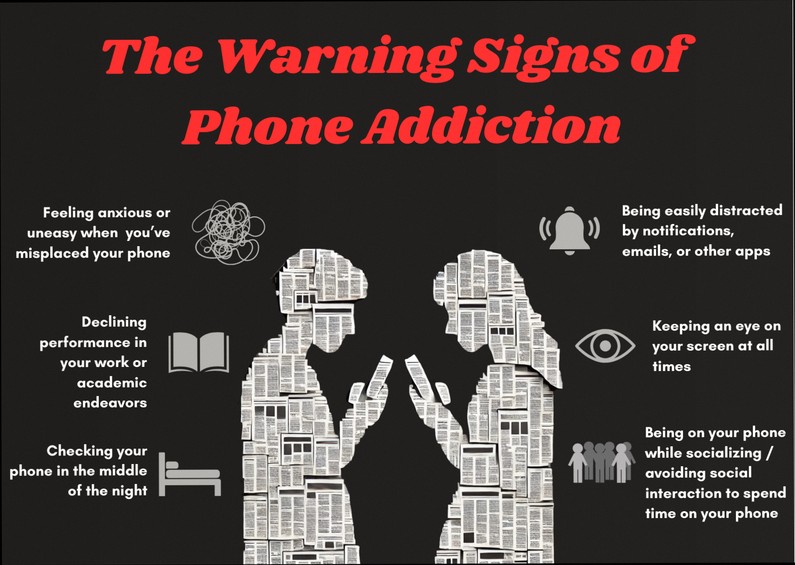
Some signs are obvious, like losing track of time or missing sleep because you kept going late at night. Others are subtler, like using your phone in situations where it harms what matters to you.
Consider whether you repeatedly check even when nothing new is likely, or whether you use the phone to escape stress and difficult feelings. These patterns can show up as productivity loss and shrinking real-life interaction.
Risky behavior can also be part of the picture. Examples include texting while driving, checking during important responsibilities, or procrastinating until the last minute because the phone feels more urgent.
How To Take A Self-Check Quiz More Honestly
To get value from a self-check quiz, answer based on typical behavior, not your best day or your worst day. Think about the last few weeks, not just the past 24 hours.
Before you start, pause and remove distractions so you can answer thoughtfully. If a question feels uncomfortable, that is often a good sign you should pay attention to the pattern it is pointing at.
Also, be careful with timing. If you recently reduced screen time, your answers might temporarily improve, which can mask ongoing habits.
Interpreting Smartphone Compulsion Test Scores Without Panicking
Screening tools often group results into ranges to guide next steps. In the commonly shared interpretation of the Smartphone Compulsion Test by Dr. David Greenfield, scores of 1–2 suggest more typical use, while 3–4 lean toward potentially problematic or compulsive use.
When results land at 5 or above, they suggest a problematic pattern that may be worth addressing. If you reach 8 or higher, the guidance often recommends consulting a psychologist, psychiatrist, or psychotherapist who specializes in behavioral addictions, especially if the urge intensity feels strong.
The test asks about things like increasing time spent, wanting to be less involved, discomfort when the phone is left behind or broken, sleeping with the phone nearby, constant checking and responding at all hours, and the intensity of urges, and clinical comparisons like smartphone compulsion findings help explain why urge intensity matters.
| Score Range | Likely Pattern | Suggested Next Step |
|---|---|---|
| 1–2 | Typical Use | Keep Healthy Habits |
| 3–4 | Leaning Compulsive | Set Simple Limits |
| 5–7 | Problematic Pattern | Track Triggers For 2 Weeks |
| 8+ | Strong Compulsion Signals | Seek Professional Support |
| 0 | Minimal Signs | Maintain Balanced Use |
Think of the score as a starting point for planning, not as a label. If your results suggest risk, the most useful move is to look closely at what the phone is doing for you emotionally and practically.
Sleep Loss And Attention Problems Are The Most Immediate Costs
If you scroll late at night, sleep quality usually pays first. Even when you fall asleep “in the end,” repeated checking can fragment your rest and make it harder to wake up refreshed.
Over time, the same cycle can spill into daytime focus. You may notice you start tasks and then switch repeatedly, or that you feel mentally scattered and reach for the phone to reset.
Use Small Tracking To Confirm What The Quiz Suggests
Quizzes predict patterns, but tracking confirms them. A simple log can show when you reach for the phone, what you are feeling first, and what you were trying to avoid.
Try noting moments like boredom, stress, loneliness, or fatigue. When you see the same emotional trigger over and over, you get a clearer target for change.
Journaling also helps, especially if you write one sentence before opening an app. Over time, you will learn whether you use the phone intentionally or reactively.
Get An External Perspective From People You Trust
Sometimes you normalize behavior without realizing how noticeable it is to others. Friends, partners, or family members can offer an outside view on whether you are present, responsive, and consistent.
This does not mean surrendering control. It means using feedback as data, especially if someone points out patterns you did not connect to your phone habits, like missed plans, reduced conversation time, or irritability when devices are not available.
Reduce Use By Setting Limits That Fit Your Real Schedule
Goals work better when they match how your day actually runs. Instead of aiming for “no phone,” try defining specific windows for use, like morning check-ins and a limited evening window.
Then choose concrete boundaries. Put the phone out of reach during work blocks, disable nonessential notifications, and set an end time for scrolling so it does not blend into bedtime.
When you reduce time, replace the pause. If you only remove the phone, the urge usually returns stronger. Build alternatives that meet the same need, like a short walk, a workout, a call with someone, or a simple hobby that occupies your hands and mind.
Build Phone Boundaries That Prevent The “Just One More” Spiral
Many people struggle not with total refusal, but with the moment a trigger hits. A boundary strategy focuses on the transitions, like the first app you open or the first five minutes after dinner.
A practical approach is to create friction. You can log out of frequently distracting apps, place the device on a charger in another room, or use app timers so the phone gently stops you instead of relying on willpower.

If you tend to check repeatedly, try a rule like waiting 10 minutes before opening anything not required by work. That short delay often breaks the automatic loop.
Avoid The Mistakes That Make Self-Help Feel Like Failure
One common mistake is treating a quiz result as proof that you are “bad” or “broken.” That kind of thinking makes it harder to plan real changes, and it increases stress, which can fuel more phone use.
Another mistake is using extreme methods that are impossible to sustain. If your strategy depends on constant perfect discipline, you will likely bounce back into the same pattern.
If you notice safety issues, major life impairment, or strong distress when you cannot use your phone, consider professional help sooner rather than later. A therapist can help you work on urge management, anxiety, avoidance, and behavior routines in a way that a quiz alone cannot do.
Can an Am I Addicted to My Phone Quiz Help Me Self-Check?
How accurate is an am i addicted to my phone quiz for self-checking phone addiction?
An am i addicted to my phone quiz can help you spot compulsive patterns, but it is not a diagnosis, so use it as a starting point to review how phone use affects your daily life, mood, sleep, and responsibilities.What signs should you look for after taking an am i addicted to my phone quiz?
Common signs include losing track of time, using your phone in inappropriate moments, feeling irritable or anxious when you cannot use it, checking repeatedly even when nothing is new, neglecting real-life interactions or duties, and scrolling late enough to disrupt sleep.Does an am i addicted to my phone quiz measure smartphone compulsion patterns?
Yes, many phone addiction self-check quizzes focus on escalation over time, urges to reduce involvement, discomfort when the phone is left behind or broken, constant checking and responding, and whether urges interfere with focus, productivity, or safety.What should you do if your am i addicted to my phone quiz suggests problematic use?
If results point to compulsive or problematic patterns, evaluate impact first, such as work and relationship effects, then set practical limits, create barriers to late-night use, and plan replacements like in-person time or exercise.When should you consider professional help after an am i addicted to my phone quiz?
If your phone use feels hard to control despite efforts, causes significant distress, or leads to risky behavior or major impairment, consider speaking with a qualified psychologist, psychiatrist, or therapist experienced in behavioral addictions.How can you reduce phone reliance after taking an am i addicted to my phone quiz?
Start by tracking triggers and timing, set clear goals for daily screen time, turn off nonessential notifications, remove easy access during key hours, and use a simple routine for moments you usually reach for the phone.
What Your “Am I Addicted To My Phone Quiz” Results Can Tell You
A quiz like “am i addicted to my phone quiz” is not a diagnosis, but it can help you spot patterns such as losing track of time, feeling anxious when you cannot use your phone, or letting it interfere with sleep, work, and real-life relationships. If your answers suggest compulsive use, the best next step is to reflect on the impact in daily life, share it with someone you trust for outside perspective, and set clear limits to regain control.