
An Am I emotionally dependent quiz can help you notice patterns of emotional dependence, such as needing constant reassurance or feeling intense anxiety about being left. It is not a diagnosis, but if your answers repeatedly point to fear of abandonment or difficulty coping when you are alone, that is a strong sign to take your emotional needs seriously.
Most quizzes ask you to reflect on how often certain relationship-driven behaviors show up for you, for example suppressing your own needs to avoid conflict, relying on your partner’s affection to feel okay, or feeling empty when they are away. Some versions are scored in ranges so you can see whether emotional dependency traits appear unlikely, possible, or more concerning.
If your results suggest stronger emotional dependency, consider using the quiz as a starting point for reflection and support. Talking with a licensed therapist can help you build emotional autonomy, strengthen self-esteem, and create healthier ways to relate, whether through CBT, psychodynamic approaches, person-centered support, or other evidence-based methods.
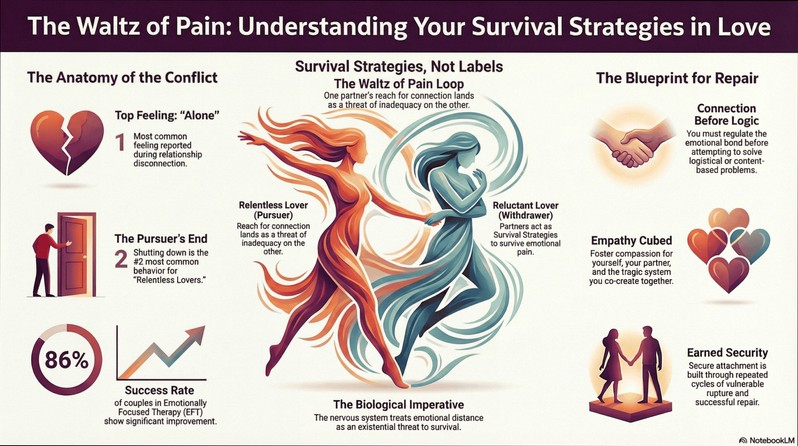
How Emotional Dependence Shows Up In Everyday Relationships
Emotional dependence often feels like you are constantly monitoring your partner’s mood, attention, or loyalty. It can look like reassurance requests, intense worry, or feeling unable to settle unless you receive affection back.
Many people also describe the pattern as “love addiction” because the relationship becomes the main source of emotional regulation. When love feels uncertain, anxiety can spike quickly, and your mind starts searching for proof that you are safe.
It is important to note that having strong attachment does not automatically mean something is wrong. The concern is the cost to your self-esteem, autonomy, and well-being.
What The “Am I Emotionally Dependent Quiz” Usually Tries To Measure
An am i emotionally dependent quiz typically asks about how often you feel relationship-driven insecurity. You might rate statements about needing reassurance, fearing your partner will leave, or relying on their affection to feel secure or good about yourself.
It often includes items about suppressing your needs to avoid conflict and feeling empty or overwhelmed when you are alone or your partner is away. Some quizzes also describe passively accepting unreasonable demands just to prevent abandonment.
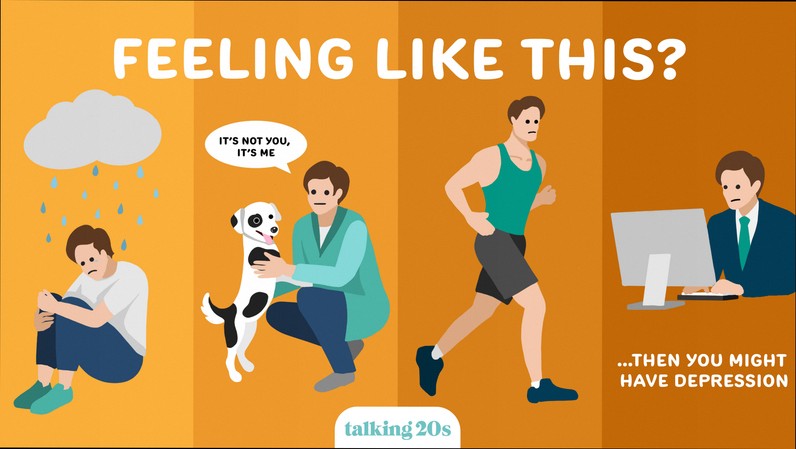
These questions are usually less about diagnosing you and more about mapping your patterns, especially when stress or distance enters the relationship.
Why Reassurance-Seeking Can Become A Loop
Reassurance-seeking tends to start with a short-term relief effect. You ask for confirmation, your anxiety drops for a moment, and then the worry returns later, often stronger.
Over time, the relationship can become a “security system” you need to repeatedly power on. Instead of building internal steadiness, you learn to wait for external signals, which keeps self-trust from growing.
A helpful way to see the loop is to notice what you believe will happen if you do not get reassurance. If your mind predicts rejection or abandonment, the request can feel urgent, even when the situation is not truly dangerous.
Fear Of Abandonment And The Physical Cost Of Waiting
Fear of abandonment is not only a thought. It often shows up as tightness in your chest, racing thoughts, or an inability to focus when you expect your partner might pull away.
When a partner is slow to respond, cancels plans, or seems distracted, emotional dependence can make the moment feel like a threat. Your brain may treat uncertainty like a countdown.
In this state, you might interpret neutral cues as rejection, then search for reassurance to calm the alarm. That cycle can gradually drain your energy and reduce your ability to enjoy the relationship.
Love That Feels Deep Versus Love That Swallows Your Needs
Many people confuse emotional dependence with “caring a lot.” Caring deeply includes wanting closeness, but it also allows you to keep your own priorities intact.
Emotional dependence, in contrast, often involves sacrificing personal needs to avoid conflict. You may silence discomfort, postpone boundaries, or agree to things you do not actually want, because disagreement feels like it could trigger abandonment.
A useful check is whether you can experience connection and still feel like yourself. If your identity and mood mainly depend on your partner’s responses, that is a sign to pay closer attention.
How Scoring Ranges Work And What They Do Not Mean
Most quizzes use a simple points system to reflect how frequently certain insecurity patterns occur. You might see ranges like 6–12, 13–24, and 25–30 tied to levels of emotional-dependency traits.
These numbers are not a verdict. They are a starting point for questions about attachment, coping habits, and relationship safety. If you want self-test guidance alongside reflection, use the result to plan your next steps, not to label yourself.
| Score Band | What People Commonly Notice | Helpful Next Step |
|---|---|---|
| 6–12 | Low frequency of insecurity | Track triggers anyway |
| 13–18 | Some reassurance patterns | Practice delay and check-ins |
| 19–24 | Noticeable fear during distance | Build comfort when alone |
| 25–30 | Possible emotional dependence | Consider therapy support |
| Any score | Patterns can shift over time | Reflect on needs and boundaries |
When you interpret your band, focus on behaviors that repeat under stress. Ask what changes when you feel insecure, how you cope in the moment, and what you need to feel stable without constant reassurance.
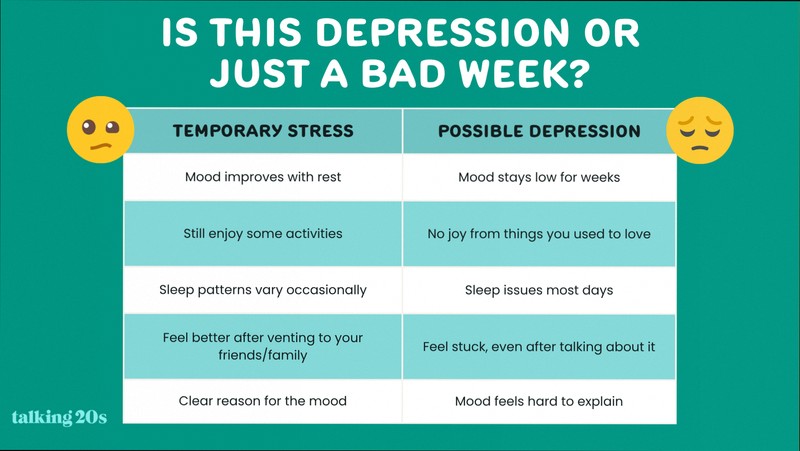
Converting Quiz Results Into Honest Reflection Questions
Once you have your score and your top items, the next useful step is reflection. Instead of asking “What is wrong with me?” try asking “What am I trying to protect myself from?”
Consider questions like: What do I fear my partner’s distance means? What do I do to prevent that outcome? What would I do if my need for reassurance were half as intense?
Reflection works best when it stays specific. Choose one or two recurring behaviors, like repeatedly asking for confirmation or shutting down your needs, and track them in real conversations over the next week.
Identifying Triggers When You Are Alone Or Waiting
Emotional dependence often grows in the “in-between” moments. That is when you are alone, waiting for a reply, or facing a holiday, trip, or even a quiet evening without your partner present.
Common triggers include empty time, silence after conflict, and uncertainty about plans. Your mind may fill gaps with worst-case stories, and then your body follows with anxiety.
A practical approach is to write down the exact moment the tension rises. Then note what you tell yourself and what urge shows up, such as texting for reassurance or checking their behavior.
Communication Habits That Lower Emotional Pressure
Healthy attachment still involves communication, but it does not require constant proof. If you rely on frequent reassurance, conversations can become heavy and transactional.
Try phrasing needs in a way that supports closeness without demanding certainty. For example, you can say you are feeling anxious and ask for a specific kind of connection, like a brief check-in, rather than demanding absolute reassurance about loyalty.
It also helps to clarify what you are not asking for. If you want comfort during uncertainty, define what “support” looks like so your partner is not guessing what will calm you.
Skills For Building Emotional Autonomy In Small Steps
Emotional autonomy does not mean you stop wanting love. It means you can stay grounded even when reassurance is not immediate.
Start with tiny experiments that strengthen your ability to regulate yourself. For many people, this looks like creating a routine for alone time, using grounding practices when anxiety rises, and choosing one activity that makes you feel competent or connected to your own life.
When you notice the urge to seek reassurance, pause and ask whether you are reacting to a real situation or to an old fear. That pause creates space for a different response.
When Professional Support Becomes A Smart Choice
If the quiz suggests possible emotional dependency, professional support can help you build skills faster and more safely. A therapist can also help you understand what your patterns protect you from, especially if there is a history of inconsistent love or painful attachment experiences.
Treatment approaches often include CBT for thinking and behavior patterns, psychodynamic therapy for deeper attachment themes, and person-centered therapy for self-worth and emotional safety. Support groups can also reduce shame by showing you are not alone in these struggles.
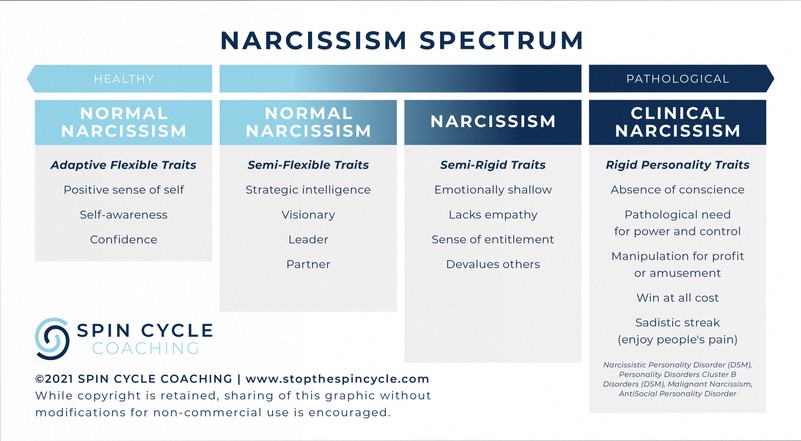
Bodymind-oriented therapies may help if anxiety lives in the body as much as the mind. If you feel stuck despite your efforts, getting support is not a failure, it is a practical next step.
Common Mistakes After Taking The Quiz And A Weekly Plan
One common mistake is using the score as a label instead of a map. Another mistake is trying to fix everything at once, which often triggers more anxiety and self-criticism.
Instead, choose one target behavior and one coping skill for the week. Then track what happens when you apply it, including whether your anxiety drops, how long it lasts, and whether your relationship conversation becomes calmer.
It can also help to write down the lesson you want your relationship to teach you. Aim for connection plus self-respect, not connection at the cost of your boundaries.
Can An “Am I Emotionally Dependent” Quiz Help You Assess Emotional Dependency?
How Does an Am I Emotionally Dependent Quiz Work?
These quizzes usually ask how often you rely on your partner for reassurance, fear abandonment, suppress your own needs to avoid conflict, or feel panicked when you’re alone or separated.What Signs of Emotional Dependency Do These Quizzes Measure?
Common items include needing frequent proof of love, feeling intensely anxious about being left, tying your self-worth to your partner’s affection, and accepting unreasonable demands to prevent rejection.How Should You Interpret Your Score on an Emotional Dependency Quiz?
Scores are often grouped so lower totals suggest emotional dependency is less likely, mid-range scores point to some dependency traits, and higher scores may indicate a meaningful pattern worth reflection and possibly professional support.When Is Emotional Dependence More Than Normal Attachment and Needs Help?
If your fears and reassurance needs consistently harm your relationships, your daily functioning, or your ability to be alone, it’s a strong signal to talk with a qualified therapist or counselor.What Are Safer Alternatives to an Am I Emotionally Dependent Quiz?
Consider guided self-reflection tools, a structured journaling approach about triggers and needs, or a professional assessment to separate anxiety, attachment style, and past trauma from dependency.How Can You Build Emotional Autonomy After Taking an Emotional Dependency Quiz?
Practice naming your needs without suppressing them, use coping skills for reassurance urges, build comfort with alone time, and consider therapy methods like CBT or attachment-focused work to strengthen emotional independence.
Using An “Am I Emotionally Dependent?” Quiz To Understand Your Needs
An “am I emotionally dependent quiz” can be a helpful first step to spot patterns like needing constant reassurance, feeling panicked about abandonment, or tying your self-worth to a partner’s attention. Still, quiz results are not a diagnosis, and the most useful takeaway is what you do next, such as building stronger boundaries, practicing self-soothing, and getting support from a therapist if these feelings feel intense or persistent.