
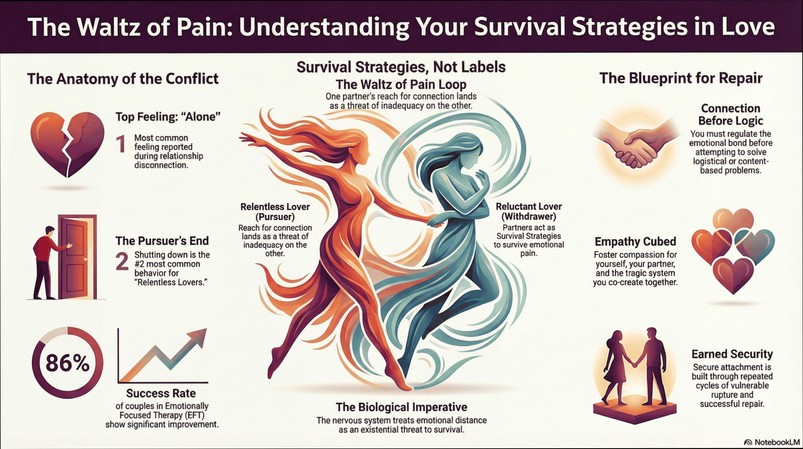
If you are wondering, “Am I too emotionally attached?”, the best answer is that strong feelings are normal, but it may be worth paying attention when attachment starts to feel anxious, pressuring, or hard to control. An am I too emotionally attached quiz is a self-reflection tool designed to help you spot patterns like fear of abandonment, intense reassurance-seeking, or struggling when there is space or distance.
These quizzes usually include a short set of questions you answer honestly about your thoughts and behaviors in everyday intimacy. The goal is not to diagnose anyone, but to help you gauge whether your bond feels secure or leans toward insecure or unhealthy cycles.
In this article, you will learn how to approach the questions, how to interpret your results thoughtfully, and when it can help to talk with a qualified professional for support and healthier relationship patterns.
Recognizing the Signs Behind Your Worry
“Am I too emotionally attached?” usually starts with a very specific feeling. You care deeply, but a part of you keeps scanning for danger, distance, or rejection.
That worry can show up as mental loops, urgent texting, or a sudden need for reassurance. If your partner seems a little slower to respond, your mind may treat it like a warning sign rather than a normal busy moment.
What the am i too emotionally attached quiz Really Measures
An am i too emotionally attached quiz typically focuses on patterns of thoughts and behaviors in day-to-day intimacy. Instead of diagnosing you, it helps you notice whether your attachment feels mostly secure or tends toward insecure and unhealthy cycles.
Most quizzes use short question sets, often around 20 items, and aim to estimate how you respond to closeness, uncertainty, and separation. The result is usually framed as a tendency, not a label that you must accept forever.
Attachment Style Basics in Plain Language
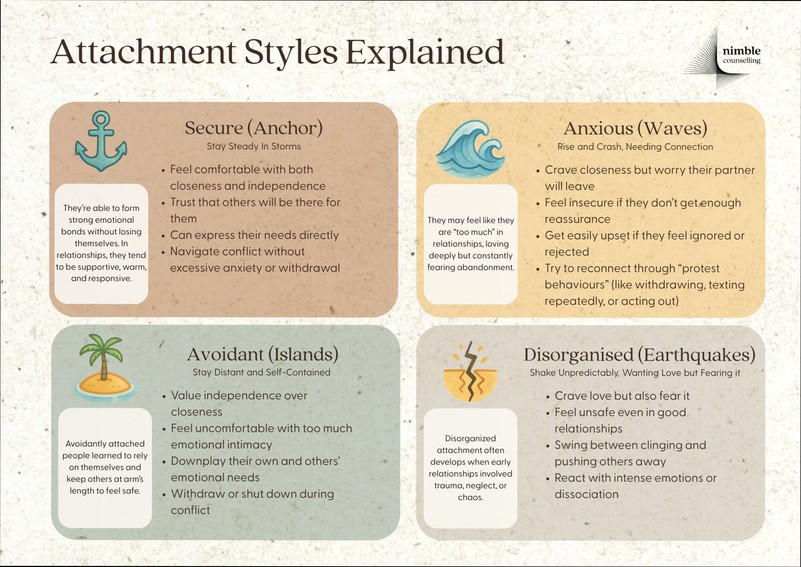
Attachment-style theory looks at how people tend to seek safety in relationships. In secure patterns, closeness feels steady and manageable. In insecure patterns, closeness can feel unstable, and small changes may feel like big threats.
In practice, an anxious-leaning attachment often involves rumination and strong needs for reassurance. A avoidant-leaning attachment can involve discomfort with dependence and difficulty leaning on a partner for comfort.
How to Answer Honestly Without Overthinking
Quizzes work best when your answers reflect your typical reactions, not your best intentions. A helpful approach is to think about the last few weeks, including how you felt during small separations like delayed replies or busy days.
If a question feels uncomfortable, resist the urge to “correct” yourself. Instead, aim for accuracy about what you actually do and what you actually feel in your body, even if you would prefer a different response.
Interpreting Results From Secure to Insecure Patterns
When results point toward insecure tendencies, it does not mean you are “bad” or that your relationship is doomed. It usually means your nervous system may rely on closeness to calm uncertainty.
Think of quiz outcomes as a mirror. They highlight themes like fear of abandonment, difficulty tolerating distance, or compulsive reassurance seeking, so you can decide what to work on next.
A Quick Self Review Checklist You Can Use
If you want a clearer picture beyond the quiz score, you can review your real patterns. Use the items below as a quick self-check, then compare them with what you answered in the am i too emotionally attached quiz.
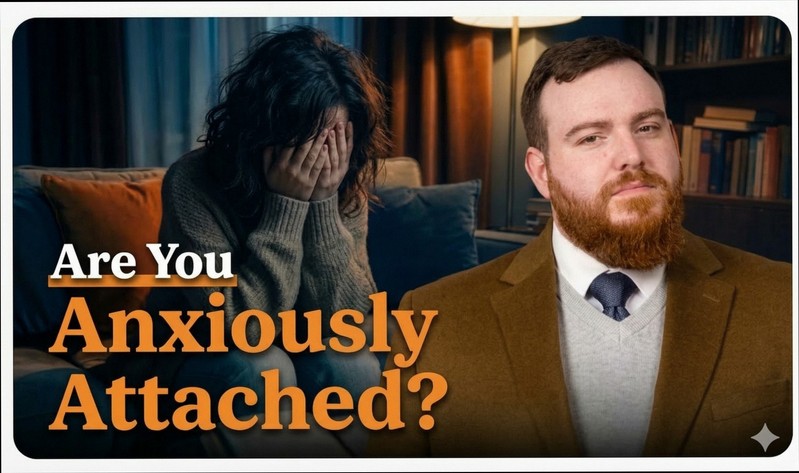
Some people also compare their answers with attachment style research to make sure their reflections match common themes.
| Common Signal | Measurable Example | What to Try Next |
|---|---|---|
| Frequent checking | More than 5 message pings per day | Delay response by 10 minutes |
| Fear when plans shift | Ruminating for 30+ minutes | Ask for a timeline once |
| Anxiety with silence | Assuming worst within 1 hour | Name the thought, then breathe |
| Reassurance loop | Seeking comfort 3+ times | Choose one question, then pause |
| Guilt about space | Feeling panicky after “no reply” | Practice small, planned distance |
After you review these signals, pick one area that feels most true. Change is easier when you focus on a single behavior, like reducing repeated reassurance requests or slowing down the urge to check.
When Intense Closeness Helps and When It Hurts
Not all emotional intensity is unhealthy. Some closeness needs are normal, especially early in a relationship or during stressful life events.
The shift happens when intensity starts controlling you. If you act in ways that harm trust, ignore your partner’s boundaries, or leave you feeling distressed no matter what they do, it is time to address the underlying pattern.
Patterns That Show Up in Texting and Daily Plans
Attachment habits often show up in everyday logistics. You may interpret short delays as meaning, or you may feel compelled to schedule around uncertainty instead of aligning with your shared life.
Watch for patterns like repeatedly asking for updates, overexplaining feelings, or sending messages meant to reduce anxiety rather than to connect. These moments are not moral failures, but they are data.
Practical Steps to Build More Secure Distance
Building security is mostly about training your tolerance for uncertainty. Start small, then repeat, so your brain learns that distance does not automatically equal danger.
- Choose one “distance moment,” like a delayed reply, and practice waiting 10 minutes before following up.
- Replace reassurance texting with a grounding routine, such as slow breathing or a short walk.
- Track outcomes for a week to see whether your anxiety rises and falls instead of staying locked on worst-case scenarios.
Communication Scripts for Conversations That Reduce Anxiety
You can talk about needs without turning every moment into a test. The goal is to ask for clarity in a calm way, not to demand proof that your partner will not leave.
For example, you can say, “When plans change last minute, I feel anxious. Could we confirm a time by tonight?” This frames a specific need and invites collaboration.
Common Quiz Mistakes That Skew the Outcome
Many people misunderstand quizzes by answering based on what they think they should feel. If you pick responses that match your ideal self, the results will not reflect the patterns you actually live with.
Another common issue is taking the quiz during a relationship conflict. If the questions are answered in one intense moment, the results may reflect the argument rather than your typical attachment style.
Getting Support When Feelings Feel Unmanageable
If your attachment anxiety is causing significant distress or harming your relationship, professional support can help. A qualified therapist can help you sort triggers, challenge unhelpful thoughts, and practice new coping skills.
Look for support that focuses on relationship patterns and emotional regulation rather than blame. With the right guidance, you can keep your capacity for love while reducing the panic that comes with uncertainty.
Can An Am I Too Emotionally Attached Quiz Help You Reflect?
What Does an Am I Too Emotionally Attached Quiz Usually Measure?
An am i too emotionally attached quiz typically uses short self-reflection questions to gauge whether your thoughts and behaviors around intimacy feel secure or lean toward insecure patterns such as fear of abandonment or difficulty with distance.How Should I Interpret My Am I Too Emotionally Attached Quiz Results?
Use the results as a conversation starter, not a diagnosis, and compare your answers to how you actually feel and behave in day-to-day relationships, including whether distress is frequent and hard to control.Which Signs of Insecure Attachment Might an Am I Too Emotionally Attached Quiz Ask About?
Many emotionally attached quiz prompts focus on worry about abandonment, strong urges to check in repeatedly, anxiety when a partner is unavailable, and feeling uneasy when emotional or physical space happens.How Can Overly Intense Attachment Affect Relationships and Intimacy?
If attachment feels too intense, it can increase misunderstandings, create pressure for constant reassurance, reduce trust, and make both partners feel overwhelmed, especially when needs for closeness conflict with healthy boundaries.When Is It Better to Talk to a Professional Instead of Relying on an Emotionally Attached Quiz?
Consider speaking with a qualified therapist if quiz results match persistent anxiety, compulsive behaviors, or relationship disruption, or if you find it difficult to function, regulate emotions, or stop patterns even when you want to.What Steps Can I Take After an Am I Too Emotionally Attached Quiz to Build Security?
Try clarifying your needs and triggers, practicing calm communication, and building self-soothing routines, while setting consistent boundaries around reassurance and focusing on confidence that you can handle some separation.
How To Check If You Are Too Emotionally Attached
If you are wondering whether your bond feels less secure and more consuming, an am i too emotionally attached quiz can help you reflect on patterns like fear of abandonment or difficulty coping with distance, using a short set of questions meant for self-checking rather than diagnosis. If your results feel concerning, it is a good idea to talk with a qualified therapist for support.