
If you are wondering, “am I bad at communication quiz” style, the honest answer is that most people are not “bad” at communication, they just have gaps they can improve. A quiz is usually a quick self-check, not a diagnosis, so your goal is to learn what feels hardest for you and what comes more naturally.
These quizzes typically include a series of short statements, and you answer based on how you actually communicate, not how you wish you did. Then you click a button like “Calculate” to get an overall result, often showing likely strengths and potential development areas such as clarity, tone, listening, or confidence.
No matter what your score says, you can use the results to improve: plan what you want to say and to whom, choose words that match your intent, watch your tone and body language, and practice active listening by not interrupting and reflecting back what you heard. If anything feels unclear, ask questions or request feedback so your message lands the way you intend.
What the Am I Bad At Communication Quiz Really Measures
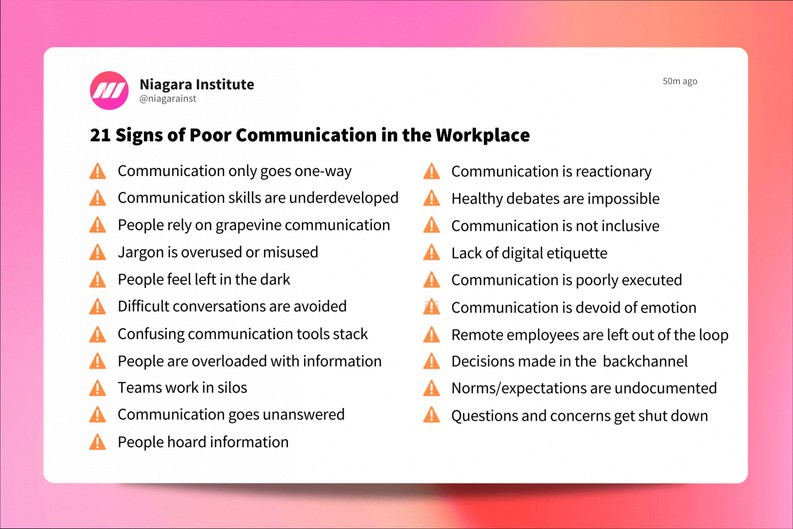
An am i bad at communication quiz is usually a short self-assessment that reflects how you communicate in everyday moments. It is not a diagnosis, and it is rarely meant to label you as good or bad forever.
Most versions ask you to respond to statements about clarity, tone, listening habits, and social ease. The goal is to help you notice patterns you may not think about during real conversations.
Why Your First Answer Matters More Than Your Ideal Self
Quizzes work best when you answer based on what you tend to do, not what you wish you did. If you constantly “optimize” your answers, you blur the very signal the quiz is trying to capture.
Try to answer quickly when possible. That “first impulse” often reflects your habitual communication style more than your carefully planned version of yourself.
How to Interpret Your Score Without Overthinking It
Your result usually indicates strengths and likely growth areas, not a final verdict. Even a low score can be useful because it points to specific behaviors you can practice in small steps.

Instead of asking, “Am I bad at communication,” ask, “Which part of communication is most inconsistent for me right now.” That shift keeps the quiz from turning into self-criticism and turns it into a checklist.
Common Communication Patterns These Quizzes Often Reveal
Many people score lower in areas that involve timing and feedback loops. For example, you may speak clearly but miss when the other person needs a slower pace or a quick recap.
Some quizzes also highlight listening habits, like interrupting, letting your mind wander, or skipping clarifying questions. When you see a pattern, you can target the behavior instead of trying to change your entire personality overnight.
Where Quizzes Fall Short Compared to Real Conversations
Even well-designed quizzes cannot fully model the pressure of a live conversation. Real interactions include interruptions, emotion, and context that multiple-choice statements can only approximate.
If your score surprises you, that is not a failure. It may simply mean your communication changes depending on the situation, such as whether you are dealing with conflict, uncertainty, or a fast-moving group discussion.
Turning Results Into a Simple Communication Plan
The fastest way to benefit from an am i bad at communication quiz is to convert it into a weekly plan with behaviors you can measure. Keep it small, choose one focus area, and track how often you use the skill during normal life.
If you want examples of structured self-checks, you can also compare your reflections with communication skills assessments that focus on similar interpersonal traits.
Use the table below to map a typical quiz pattern to a practical action you can try right away.
| Quiz Pattern | Likely Impact | Measurable Next Step |
|---|---|---|
| Unclear goals | Back-and-forth | State purpose in 1 sentence |
| Low clarification | Misunderstandings | Ask 2 clarifying questions |
| Fast replies | Missed nuance | Pause 3 seconds before answering |
| Weak reflection | Fewer confirmations | Summarize in 1 line |
| Limited feedback | Unresolved confusion | Check understanding once |
Then practice for one week, not forever. At the end, note what changed for you and for the other person, since communication is shared.
Practical Script for Clear Messages in Any Situation
When your thoughts feel messy, a simple message structure can save you. Try setting the context, stating the point, and ending with a specific request or decision.
For example, “Here is what I noticed,” “Here is what I think it means,” and “What I need from you is…” makes it easier for the listener to track your intent. Scripts are not robotic, they reduce confusion while you practice clarity.
If you write emails or messages often, keep a quick self-check in mind: Is the purpose obvious within the first two sentences? Is the ask easy to answer?
Active Listening Techniques That Improve Understanding
Active listening is less about being “nice” and more about being accurate. Give undivided attention, avoid interrupting, and aim to understand before you respond.
Use small reflection moves like repeating a key phrase or summarizing the main point. Then confirm with a question, such as “Did I get that right” or “Is this what you mean.”
When emotions run high, your tone matters as much as your words. A calmer pace and a short reflective statement can prevent the conversation from spiraling.
Choosing the Right Channel for Nuance and Timing
Some messages need real-time interaction because nuance changes meaning. Face-to-face or phone conversations are often better when emotions, conflict, or complicated details are involved.
Written communication can work well for clarity and documentation, especially for schedules, instructions, and summaries. If you choose a channel, consider whether the recipient can interpret tone from text alone.
A practical rule is to ask yourself whether misunderstanding would be costly. If it would, pick the channel that gives you the fastest feedback loop.
Adjusting Tone and Body Language to Match Context
Tone and body language often carry more weight than the exact wording. If your message is technically correct but delivered with impatience, the listener may hear rejection instead of information.
Pay attention to pace, volume, eye contact, and facial expressions. If you tend to look away or speak quickly, you may unintentionally signal discomfort or dismissal.
You do not need to “act” differently. Instead, align your delivery with the outcome you want, like reassurance for sensitive topics or confidence for decision-making.
Handling Cultural and Language Differences Better
Communication gets tricky when the listener interprets phrases through their own cultural or linguistic lens. Idioms, humor, and indirect requests can be confusing even when everyone is trying their best.
Before important conversations, think about language barriers and cultural norms. Use simpler wording, reduce slang, and be careful with sarcasm since it does not always translate well.
When you are unsure, clarify meaning rather than assuming. A brief “What does that phrase usually mean to you” can prevent long misunderstandings.
Avoiding Common Mistakes and Getting Feedback for Real Progress
One of the most common mistakes is treating the quiz result as a personality label. Another is practicing the skill once and then moving on, which makes the change fragile.
Instead, ask for feedback after a real conversation. You can request something specific, like whether your message felt clear, how your tone came across, and what part created confusion.
Finally, track progress for two or three weeks, not two or three days. Communication improvement usually comes from repetition, reflection, and small course corrections.
Is An Am I Bad at Communication Quiz Accurate, and How Can You Improve?
How does an am i bad at communication quiz work and what should you answer?
An “am i bad at communication quiz” is usually a quick self-assessment where you choose what fits your real communication habits, then review your overall results to spot strengths and growth areas.What does a low score on an am i bad at communication quiz usually mean?
A low score typically suggests you may be struggling with clarity, tone, listening, or message timing, but it does not automatically mean you are “bad” at communication.Can an am i bad at communication quiz diagnose communication issues?
No, most communication quizzes are not diagnoses; they are prompts for self-reflection that can help you target behaviors like asking questions, confirming understanding, and adjusting your wording.What are practical ways to improve communication after taking the quiz?
Focus on setting a clear goal and audience, practice active listening by not interrupting, reflect what you heard, and improve message clarity by checking tone, grammar, and concision.How can you make sure your am i bad at communication quiz results reflect reality?
Use the quiz honestly, compare your results with real feedback from others, and consider context like cultural differences, stress, or language barriers that can affect how your message is received.When should you seek help instead of relying on an am i bad at communication quiz?
If communication problems strongly affect work, relationships, or cause frequent conflict despite practice, consider professional support such as a coach or therapist who can help you build tailored skills.
What an Am I Bad At Communication Quiz Can Tell You
An am i bad at communication quiz can be a helpful starting point to spot patterns in how you come across and where you might improve, without labeling you as “bad.” If your results suggest growth areas, focus on clear goals, mindful tone and body language, and active listening by reflecting what you hear, because those habits make your message land more accurately over time.