
Do I Have Health Anxiety Quiz, and What the Results Mean
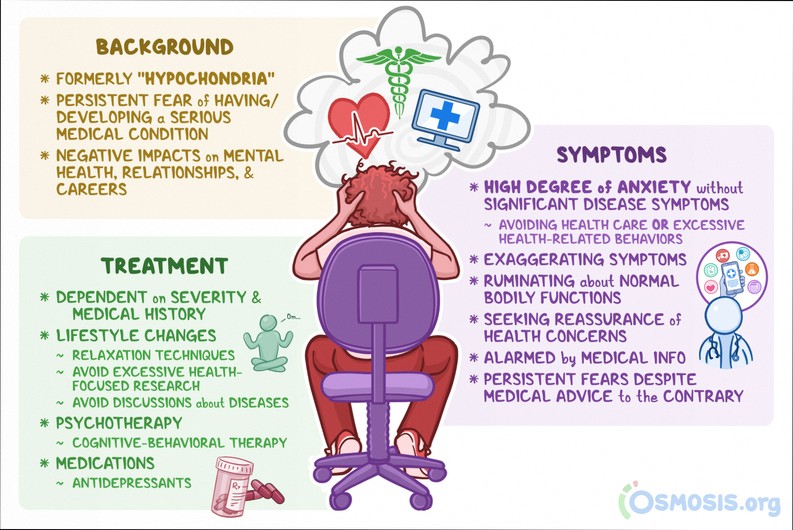
If you’re wondering, “do i have health anxiety quiz,” the answer is that a short online quiz can help screen for illness anxiety. It can’t diagnose you, but it may indicate whether your health worries are frequent, hard to control, and affecting your daily life.
Most health anxiety or hypochondria screening quizzes are designed for adults and typically include around 20 questions. They often ask about your worries and physical concerns over a recent timeframe, such as the last 3 months and/or symptoms over the past 2 weeks.
The results are usually meant to guide your next step. If the quiz suggests elevated health anxiety, consider talking to a licensed mental health professional or your healthcare provider, especially if the worry feels persistent, interferes with routines, or causes significant distress.
Do I Have Health Anxiety Quiz and Why That Question Feels Urgent
If you keep thinking, do i have health anxiety quiz, you are probably trying to calm a repeating loop. The pressure can feel immediate, especially when a small symptom turns into a worst-case story in your mind.
Brief online illness anxiety or hypochondria screening quizzes are one way people check whether their worries might fit that pattern. They are not meant to label you forever, but they can help you decide what kind of next step makes sense.
- They focus on worry level, control, and the way symptoms feel over time.
- They typically use short, adult-friendly questions that can be answered quickly.
- They produce screening results meant to guide whether to seek further evaluation.
What Illness Anxiety Looks Like in Real Life
Illness anxiety usually involves being preoccupied with having a serious illness or developing one. Even when test results are normal, the worry may return, sometimes triggered by new aches, headlines, or a sudden change in how you feel.
It also affects daily functioning. People often notice tension, difficulty relaxing, and a sense that they need to keep checking their body for reassurance, even if reassurance does not fully stick.
How Brief Hypochondria Tests Are Usually Built
Many versions are about 20 questions and take roughly 3 minutes. You answer items based on a recent timeframe, commonly the last 3 months and sometimes symptoms over a shorter window such as the last 2 weeks.
The questions often cover whether it is hard to stop worrying, how often you have physical concerns like headaches or aches, and whether worry interferes with work, home, or relationships. Some quizzes also include optional items and include anonymity language so people feel safer answering honestly.
What the Quiz Results Can Tell You and What They Cannot
A quiz result can help you understand whether your worries resemble illness anxiety enough to consider a professional assessment. It is a screening, not a diagnosis, so it cannot confirm or rule out any specific medical condition.
Clinicians frequently reference structured approaches like illness anxiety screenings to show how symptom focus and worry control are measured.
Common Symptoms People Report During Recent Timeframes
On these quizzes, people often notice recurring concerns such as headaches, stomach discomfort, chest sensations, or general aches. Some responses reflect how “new” or “unusual” the sensations feel, even when the underlying cause might be non-dangerous.
Another common theme is emotional strain. Many people select items that point to constant scanning for changes, trouble relaxing, and a sense that worry spreads into everyday life.
Using Your Answers to Map Worry Patterns Over Time
Instead of treating a quiz score like a verdict, use it like a snapshot. Look at the themes your answers suggest, such as difficulty stopping worry or the impact on daily routines, and then notice how those themes shift week to week.
When you track patterns, you can see whether worry spikes around specific triggers, like poor sleep or stressful days. That makes it easier to choose support that targets the real drivers, not just the symptom.
- Write down the top two questions you answered most strongly.
- Note what was happening in your life during that same timeframe.
- Pick one small experiment for the next week, such as delaying body checking.
A Quick Look at Test Features That Affect Your Score
Different quizzes can score you differently because they do not all measure the same details. Even small variations like time windows or question emphasis can change how your answers translate into a screening result.
Here is a simple way to compare common quiz features before you interpret your result:
| Quiz Feature | What It Measures | Typical Numeric Detail |
|---|---|---|
| Item Count | Overall worry pattern | ~20 questions |
| Worry Control | Difficulty stopping thoughts | Often rated daily |
| Time Window | Recent symptom focus | Last 3 months |
| Functional Impact | Interference with life | Work or relationships |
| Physical Concern Items | Body scanning triggers | Last 2 weeks |
After you review these features, you can interpret your result more accurately. A quiz that emphasizes time windows may feel “too narrow,” while one that focuses on function may better match how your worry affects your day.
When to Seek Professional Help Even After a Low Score
A low screening result does not mean you should ignore concerns. If you have troubling or persistent symptoms, it is still appropriate to seek medical advice to rule out physical causes.
It also makes sense to talk with a licensed mental health professional when anxiety is draining your time, sleep, or relationships. If you feel stuck in repeated reassurance seeking, support can help you change the pattern rather than only check it.
Tips for Answering Honestly Without Feeding More Worry
Answer based on your recent experience, not on what you think “should” be true. If you genuinely had trouble stopping worry, select the response that matches your day-to-day reality.
Try not to re-answer repeatedly. Each review can become its own stress test, so commit to your first realistic choice and move forward.
- Focus on the last timeframe the quiz asks for, even if it feels uncomfortable.
- Choose the option that best reflects interference, not just the presence of symptoms.
- Answer with your usual pattern, not your rare calm moments.
Mistakes That Skew Results and Make Worry Louder
One common mistake is treating the quiz like a guarantee. Some people overthink whether they “should” score high or low, which can distort the measurement and leave you confused about what the result actually reflects.
Another mistake is ignoring practical context. If your stress, sleep, or life events are driving sensations, your answers may partly reflect those factors, and that is useful information to bring to a clinician.
How to Combine a Quiz With Medical Checks and Daily Self Care
Screening quizzes are best paired with sensible health steps. If you have new or concerning symptoms, prioritize appropriate medical evaluation so you do not base decisions on worry alone.
After medical questions are addressed, self care can target the anxiety cycle. Many people benefit from reducing reassurance habits, practicing relaxation, and using evidence-based strategies that help you tolerate uncertainty without spiraling.
Next Steps After the Screening Decide Your Best Move
Once you finish a do i have health anxiety quiz, decide what action fits the result you got and how you are functioning. If your worry feels intense, persistent, or disruptive, professional support may help you build a plan that addresses both thoughts and behaviors.
If the result suggests lower risk, you still can take small steps, like tracking triggers and planning how you will respond to symptoms. Either way, the goal is not to eliminate every physical sensation, but to reduce the panic around them.
Do I Have Health Anxiety Quiz Results Explained?
What Is a Do I Have Health Anxiety Quiz for illness anxiety?
A do i have health anxiety quiz is a brief screening tool that looks for signs of illness anxiety, such as being preoccupied with having a serious illness or the possibility of developing one, to help you decide whether to seek further evaluation.How Does a Health Anxiety Screening Quiz Work?
Most health anxiety quizzes ask you to answer questions about recent worries and physical concerns, often focusing on how hard it is to stop thinking about symptoms and whether the worry affects daily life.What Questions Are Usually Included in a Health Anxiety Quiz?
Common items in an illness anxiety/hypochondria quiz include difficulty shutting off health worries, frequent aches or headaches, general tension, and the impact of worry on work, home, or relationships, usually based on a timeframe such as the last few weeks to months.Do Health Anxiety Quizzes Provide a Diagnosis?
No, a health anxiety quiz typically provides screening results rather than a diagnosis, because the questions are designed to flag patterns for discussion and possible next steps with a licensed mental health professional or healthcare provider.When Should You Seek Help After Taking a Health Anxiety Quiz?
If your results suggest significant illness anxiety, your symptoms feel hard to control, or your health worries are affecting sleep, relationships, or functioning, it’s a good time to seek an evaluation from a qualified clinician.How Can You Use Health Anxiety Quiz Results to Reduce Health Worry?
You can use quiz results as a starting point by bringing them to an appointment, tracking triggers and symptom-checking habits, and asking about evidence-based approaches such as cognitive behavioral therapy and other strategies for managing health anxiety.
Using A Health Anxiety Quiz Can Help You Decide What To Do Next
If you are wondering “do i have health anxiety quiz,” a brief screening can be a practical first step to see whether your worries about illness feel persistent, hard to control, or disruptive. These quizzes are not a diagnosis, but they can highlight patterns similar to illness anxiety and guide you toward a more complete conversation with a licensed professional if the results feel concerning.