
Do I have trust issues? You can explore that question with a Do I Have Trust Issues Quiz, which is meant for self-reflection, not diagnosis or medical advice.
Typically, this kind of quiz helps you notice common patterns in how you trust others, such as fear of betrayal, being easily on guard when closeness grows, or jumping to worst-case interpretations when something feels off.
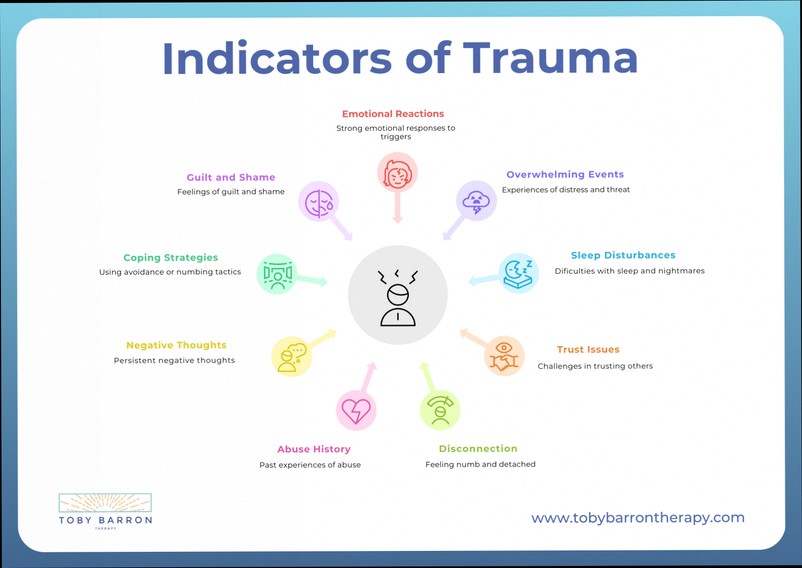
After you complete it, you can use the summary as a starting point to think about what triggers your doubts, how you communicate needs more clearly, and when it might help to talk with a licensed therapist or counselor.
When Suspicion Starts to Feel Like Your Default
Trust issues often show up quietly. You might not think, “I don’t trust people,” but you may feel tense the moment someone is late, vague, or too friendly too fast.
Over time, those small moments can turn into bigger patterns. You begin scanning for hidden motives, assuming distance means rejection, and overthinking ordinary messages until your body feels on alert.
One useful way to check this is to look at recurring relationship themes. Do you worry about betrayal, struggle to rely on others, or feel guarded when closeness increases? If so, a do i have trust issues quiz can help you spot the pattern more clearly.
What a “Do I Have Trust Issues Quiz” Is For
If you search for do i have trust issues quiz, you will usually find short self-checks designed for reflection. They are meant to describe likely trust-related concerns and offer practical next steps, not to diagnose a mental health condition.
A good quiz helps you notice your typical thoughts and behaviors across situations like friendships, dating, family dynamics, and work relationships. Instead of focusing on one event, it often considers how you respond over the past few months.
Think of it like a mirror. It can clarify what you tend to do when you feel unsafe, and it can give you language for what you want to change.
How the Questions Reflect Your Usual Patterns
Many trust quizzes use consistent themes across multiple questions. You will likely be asked to choose the option that best fits your typical thoughts, such as whether you expect someone to leave, whether you read between the lines too much, or whether you struggle to rely on others even when they seem dependable.
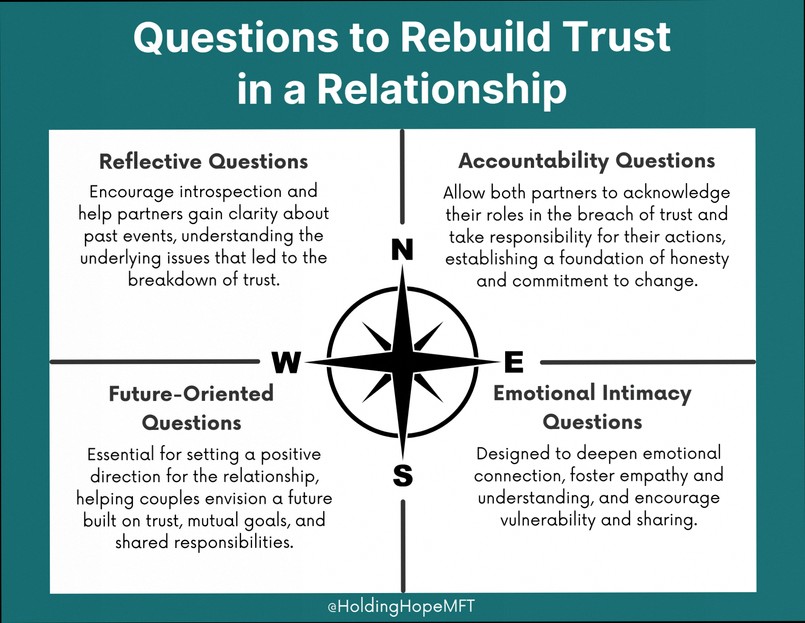
Because the questions repeat a theme in different wording, your answers create a pattern rather than a single “yes or no” verdict. That is important, since trust is rarely about one decision. It is about what your mind predicts when uncertainty shows up.
When you answer, try to think about your default response. If you catch yourself writing a long explanation in your head, that often means the topic is emotionally relevant.
Interpreting Your Results Without Labeling Yourself
Quiz results are most helpful when you treat them as hypotheses. A summary that points to “fear of betrayal” or “difficulty relying on others” does not mean you are broken or doomed. It means your responses suggest a common way you protect yourself.
Keep the focus on behavior you can adjust. Trust improves through repetition, not through perfect insight. If the quiz nudges you toward communication or boundaries, that is usually where the real value lies.
Also, remember that your trust style can shift. Stress, past experiences, and current relationship quality can all change how safe you feel.
Common Signals These Quizzes Often Flag
While every quiz differs, many highlight similar trust-related concerns. You might notice yourself overreacting to ambiguity, expecting abandonment, or doubting someone’s intentions even when they show consistency.
These are examples of patterns that can appear in quiz summaries:
- Fear of betrayal that makes reassurance feel temporary
- Sensitivity to signs that someone may hurt, leave, or withdraw
- Difficulty relying on others, even when help is offered
- Suspicion or jealousy that grows when you lack certainty
- Guardedness with closeness, where comfort increases anxiety
When you recognize yourself in one or two of these, you are not “failing.” You are getting data about what triggers your protective instincts.
What the Typical Format Looks Like Before You Start
Before you take a trust check, it helps to know what kind of structure to expect. Many quizzes are short and focused, aiming to capture your consistent tendencies rather than a single moment of doubt.
Here is a quick snapshot of common quiz attributes you may see:
| Quiz Element | Typical Value | Why It Matters |
|---|---|---|
| Completion time | About 10 minutes | Encourages quick, honest answers |
| Question count | 87 items | Creates a broader pattern |
| Time window | Several months | Reflects your usual responses |
| Output style | Summary plus steps | Turns insight into action |
| Clinical status | Self-reflection only | Helps you avoid overdiagnosis |
If your result suggests specific concerns, you can treat it as a starting point for behavior change. Trust grows when your actions match the relationship you want, not when your mind tries to eliminate every doubt.
And if you want a second perspective, resources like research based guidance can ground your next steps in relational science.
Turning Results Into Specific Conversations
After a quiz, many people stop at self-understanding. The more powerful move is planning how you will talk about it with someone else, especially if your trust patterns affect communication.
Start with one clear goal. For example, you might want to reduce misunderstandings, ask for reassurance in a healthier way, or set expectations about responsiveness. When your goal is specific, it becomes easier to choose words without blaming.
In practice, you can ask for what you need and offer a path forward. A conversation is often less about “proving” someone is trustworthy and more about creating predictability.
Setting Boundaries That Protect Closeness
Boundaries are not walls. Done well, they help relationships feel safer because expectations become explicit. If you have a guarded style when closeness grows, boundaries can stop anxiety from turning into control.

Try to phrase boundaries around behaviors, timing, and respect. Here are examples of boundary language you can adapt:
- Requesting pacing when the relationship feels intense too quickly
- Asking for clarity about plans instead of reading silence as rejection
- Setting check-in rhythms for partners who need structure
- Limiting rumination by agreeing on a time to talk, then moving on
If you notice your boundaries become punishment, adjust them. Healthy boundaries guide behavior and preserve connection.
Replacing Worst-Case Thoughts With Evidence
Trust issues often come with a mental reflex: the worst-case story. The moment something feels off, your mind may sprint to conclusions about betrayal or abandonment.
A practical response is a two-step check. First, name the thought clearly, such as “I assume they will leave.” Second, look for evidence that supports and contradicts it, including what has been consistent so far.
This does not mean ignoring intuition. It means testing it like a hypothesis so your actions are driven by facts, not fear.
Building Reliability Through Small Promises
Trust improves faster when reliability becomes visible in daily life. If you struggle to rely on others, you may be doing too much yourself, then feeling resentful when others cannot read your mind.
A better approach is to start small. Ask for one manageable task, share one responsibility, or accept one commitment and observe how it goes. If it lands well, you gather proof that reliance can be safe.
Over time, you train your brain to associate trust with outcomes that match reality rather than memories of past pain.
Using Communication Skills Without Over-Reassurance
Reassurance can help in the short term, but too much can keep you stuck. If you repeatedly ask for confirmation, you may feel calmer briefly, then return to doubt because the underlying trigger never gets addressed.
Instead, aim for communication that improves mutual clarity. For example, request transparency about plans, confirm what “busy” means for the other person, or agree on how you will handle misunderstandings.
When you feel the urge to push for reassurance, try pausing and asking, “What outcome am I actually seeking?” The answer often points to a concrete need, like predictability or respect.
When to Seek Extra Support From a Professional
A self-check quiz can be useful, but it should not replace professional evaluation when trust difficulties are intense or damaging. If your patterns cause frequent conflict, emotional shutdown, or persistent distress, speaking with a therapist can provide tailored support.
Consider getting help if you feel stuck in cycles such as monitoring someone’s behavior, repeatedly confronting minor issues, or staying in situations where trust never stabilizes. A professional can help you understand triggers, boundaries, and coping strategies that fit your history.
Getting support is not a sign of failure. It is a way to move from insight to lasting change.

Common Mistakes After Taking a Trust Quiz
It is easy to misread results if you treat them like a final verdict. A quiz can highlight patterns, but it cannot measure your ability to grow or your current relationship context.
Here are common pitfalls to avoid:
- Using the result to blame yourself or someone else instead of targeting behaviors.
- Assuming the label is fixed, even though trust style can shift with new experiences.
- Overcorrecting immediately, such as shutting down your needs to “prove” you are fine.
If you notice yourself spiraling after the quiz, take a breath and return to the practical next steps it recommends. Action is usually calmer than analysis.
A Simple Plan for the Next Two Weeks
Instead of trying to overhaul everything at once, choose one small behavior you can practice. A short plan helps you gather real-world evidence, which is what trust growth actually needs.
Use this two-week approach:
- Pick one trigger you want to respond to differently, such as silence or delayed replies.
- Try one communication script once, focusing on clarity rather than accusation.
- Practice one boundary that protects closeness, such as pacing or agreed check-ins.
- Track one outcome each day, like reduced conflict or less urge to jump to conclusions.
By the end of two weeks, you will have more than insight. You will have patterns you can confirm or adjust, which is the best kind of progress for trust.
Can I Take a Do I Have Trust Issues Quiz?
What Is a Do I Have Trust Issues Quiz and What Does It Assess?
A do i have trust issues quiz is a short self-check that helps you reflect on your typical trust patterns—such as fear of betrayal, guardedness, and interpreting others’ intentions—across relationships, friendships, and work.How Long Does a Do I Have Trust Issues Quiz Take, and How Is It Answered?
Most versions take about 10 minutes and use multiple-choice items, asking you to select what best fits your usual thoughts and behaviors over recent months rather than a single event.Are Results From a Do I Have Trust Issues Quiz Diagnostic?
No, a do i have trust issues quiz is generally for reflection and planning only, and it cannot diagnose a mental health condition or replace a professional evaluation.How Should I Interpret My Score on a Do I Have Trust Issues Quiz?
Treat the outcome as a guide to possible trust-related concerns and themes, not a label—then identify which items resonated most so you can understand your triggers and protective coping habits.What Should I Do Before Taking a Do I Have Trust Issues Quiz?
Answer based on your typical experiences and recent patterns, pick the option that feels most accurate even if it’s uncomfortable, and avoid focusing on one specific conflict.What Are Good Next Steps After a Do I Have Trust Issues Quiz?
Use the results to plan practical actions like improving communication, setting clear boundaries, and practicing trust-building steps gradually, and consider talking with a therapist if the concerns feel intense or persistent.
A Quick Self Check Can Help You Spot Trust Patterns
If you are wondering whether you might have trust issues, a do i have trust issues quiz can be a helpful reflective tool to notice patterns like fear of betrayal, guardedness, or worst-case interpretations. While it is not diagnostic, the results can point you toward practical next steps such as clearer communication, setting boundaries, and understanding what makes trust feel safe or unsafe for you.