
Yes, a social burnout quiz can help you check whether your stress and exhaustion might be showing up specifically in your social life. It is usually a short self-assessment, not a diagnosis, but it can give you a useful snapshot of how you have been coping recently.
Most quizzes ask you to rate how often you’ve experienced symptoms tied to chronic stress, such as emotional or physical exhaustion, feeling stuck or fatigued, reduced motivation, irritability, sleep problems, headaches or stomach issues, and relying on unhealthy coping (like substances) to get through days.
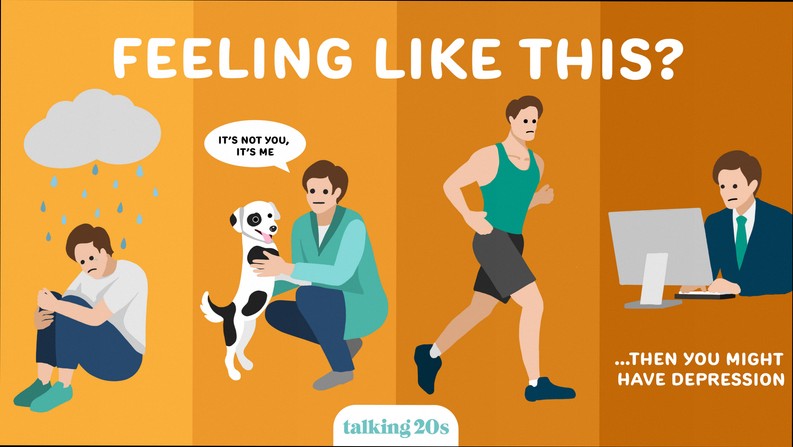
If your results suggest high burnout or significant distress, the best next step is to take care of yourself right away and consider talking to a licensed mental health professional or doctor for an evaluation and guidance, especially if you notice effects on your physical or mental health.
What Social Burnout Really Feels Like
Social burnout is more than feeling shy or needing a day off. It often shows up as a drained, tense reaction to social demands that used to feel manageable. You might still go out, answer messages, or attend events, but it feels harder each time.
People describe it as emotional exhaustion tied to interaction, not just general stress. It can also include reduced motivation, irritability, and a sense that you are stuck in the same draining cycle.
How a Social Burnout Quiz Works
A “social burnout” quiz usually functions like a general burnout screening. You rate how often you have experienced related symptoms during a recent period, such as feeling emotionally or physically exhausted, feeling fatigued, or struggling with motivation.
Most quizzes are brief and aim to estimate whether your answers suggest burnout-like stress. They are not diagnostic, so the result is best treated as a prompt to reflect and decide whether to get professional support.
Common Symptoms You Might Rate
Even when the quiz wording is about social life, many items overlap with burnout more broadly. For example, you may rate statements about irritability, sleep problems, headaches or stomach issues, and feeling emotionally “worn out.”
Some quizzes also ask about coping behaviors, like relying on substances to get through hard days. If you notice patterns like that, it can be a useful signal to address both stress and coping strategies.
“Do I Have Social Burnout Quiz” and What That Search Usually Means
If you’re searching do i have social burnout quiz, you’re probably trying to sort out whether your current exhaustion is normal overload or something that keeps escalating. The goal is often clarity, not a label.
A good next step is to compare your recent experiences to the quiz items you answered. If the questions match your reality, the result can help you name the problem and plan what to change first.
Taking the Quiz Honestly Without Overthinking
Quizzes work best when you answer based on patterns, not single events. Think about your last few weeks: what felt draining most often, and how frequently symptoms showed up.
Try to answer consistently. If a statement feels “almost true,” pick the option that best reflects your typical experience rather than your most intense day or your calmest day.
Interpreting Scores and Finding Meaning in the Result
A higher score typically means your symptoms match burnout-like stress signals more strongly. What matters is what the quiz suggests about your functioning, like sleep quality, motivation, and how easily social situations exhaust you.
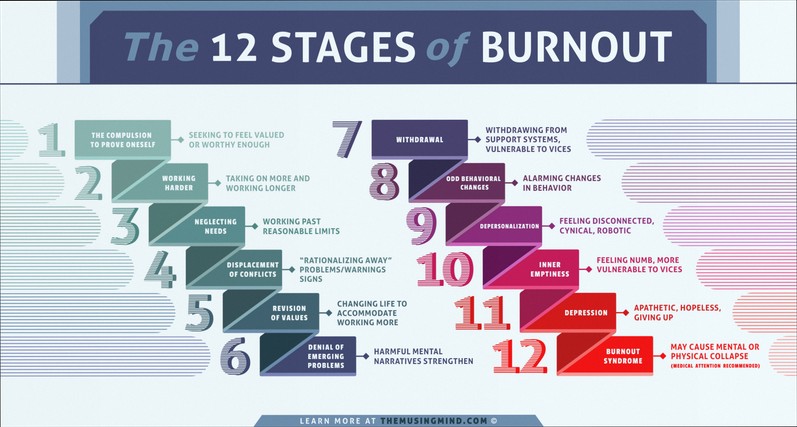
Clinicians often point to workplace burnout check-ins when explaining next steps after screening results, which can be useful even when the quiz is framed around social life. To make interpretation more practical, here is a simple way to map common quiz themes to actions.
| Quiz Theme | What Higher Scores Can Indicate | One Measurable Action |
|---|---|---|
| Emotional Exhaustion | Energy drops after interacting | Track recovery time 3 days |
| Reduced Motivation | Less desire to reach out | Rate motivation daily 1–2 weeks |
| Irritability | Short fuse during conversations | Note triggers 5 times |
| Sleep Problems | Hard to recharge overnight | Record bedtime for 7 nights |
| Headaches or Stomach Issues | Stress shows in the body | Track symptoms by time of day |
Use the result as direction, not as a verdict. If you feel uncertain, you can treat the quiz like a checklist to decide what to adjust first and what to discuss with a professional.
Red Flags That Suggest Professional Help
If the quiz results come with significant distress, it is reasonable to seek support. A licensed mental health professional or doctor can assess whether burnout, anxiety, depression, or another condition is involved.
Also consider getting help sooner if you are experiencing persistent sleep disruption, worsening physical symptoms, thoughts of self-harm, or an inability to function at work or in everyday routines. When health is involved, you do not need to wait until things feel “bad enough.”
What To Do Immediately After Taking the Quiz
After you finish, spend a few minutes translating the result into concrete decisions. Ask yourself which symptom clusters felt most accurate and what social situations tend to set them off.
Then choose a small experiment you can do within the next 48 hours. For example, you could reduce the number of events you attend, shorten the time you stay, or postpone one social obligation that is not urgent.
Simple Reset Strategies for Social Energy
When social energy is low, you need recovery that actually counts. That usually means planning downtime with intention, not assuming you will “bounce back” automatically after you are home.
Try short, repeatable resets like a quiet walk, a non-screen wind-down, or a meal you do not eat while rushing. Even tracking how long it takes to feel steady again can help you spot which activities drain you the most.
Building Boundaries Without Isolating Yourself
Burnout can push people toward either overextending or disappearing completely. A healthier middle path is clear boundaries that still preserve connection.
For instance, you can set time limits, decline specific invitations without explaining too much, or shift from high-energy meetups to lower-pressure contact. You are not required to be available in the same way you were before.
Mistakes That Make Quiz Results Less Useful
One common mistake is treating the quiz like a one-time test. Social burnout changes with seasons, workloads, relationship stress, and health, so a single result may reflect a particular week rather than your overall pattern.
Another mistake is ignoring physical symptoms that show up alongside emotional strain. If headaches, stomach issues, or sleep problems are recurring, you should consider them part of the picture, not background noise.
Next Steps for Long-Term Tracking and Support
Instead of asking only do i have social burnout quiz for an answer, use it to guide follow-up. Repeat the reflection after you make one or two changes, and compare whether your recovery time, irritability, and motivation improve.
If symptoms persist or worsen, treat that as a reason to get professional input. Over time, you can build a routine that protects your social capacity while keeping your relationships realistic and sustainable.
Can I Take a Social Burnout Quiz, and What Do Results Mean?
What Is a Social Burnout Quiz, and How Does It Work?
A social burnout quiz is a brief screening that asks how often you recently experienced stress-related symptoms, then estimates whether your answers suggest burnout or chronic stress.Do I Have Social Burnout Quiz Results That Mean I’m Diagnosed?
No, a social burnout quiz is not a diagnosis; it’s a self-check tool, and only a licensed clinician or doctor can confirm any mental health condition.What Symptoms Does a Social Burnout Quiz Commonly Ask About?
Most quizzes cover emotional and physical exhaustion, feeling stuck or fatigued, reduced motivation, irritability, sleep problems, concentration issues, headaches or stomach upset, and unhealthy coping habits.How Should I Interpret a Social Burnout Quiz Showing High Stress?
If your score is high, it usually means you may be experiencing significant chronic stress, so consider using the results to plan support and reduce strain rather than self-blaming.When Should I Seek Help After Taking a Social Burnout Quiz?
Seek professional help if symptoms persist, affect work or relationships, or you feel overwhelmed, unsafe, or unable to function, especially if physical symptoms are worsening.What Can I Do to Recover After a Social Burnout Quiz?
Try pacing social demands, building rest into your routine, using healthy coping like sleep hygiene and gentle movement, and talking with a therapist or counselor if you need structured support.
Should You Take a Do I Have Social Burnout Quiz?
A do i have social burnout quiz can be a helpful quick check if you’ve been feeling emotionally or physically drained after social situations, more irritable, less motivated, or worn down for weeks. Still, it is not a diagnosis, so treat the results as a starting point and consider talking with a licensed professional if you’re coping poorly, struggling with sleep or health, or the quiz suggests significant distress.