
A Do I Have Abandonment Issues Quiz can help you figure out whether abandonment fears show up in your relationships, but it cannot diagnose anything. In general, if your answers reflect strong anxiety about being left, or strong avoidance of closeness, you may be experiencing patterns often linked to abandonment-related distress.
These quizzes usually ask you to rate statements about your reactions to distance, rejection, or not getting reassurance, such as feeling “on edge,” needing reassurance, or withdrawing before someone can hurt you. Many results also split your responses into two main areas, commonly described as anxiety and avoidance.
Remember, quiz results are a starting point for self-reflection, not a medical or mental health diagnosis. If your score feels concerning, or the topics bring up a lot of distress, consider talking with a qualified mental health professional to explore what’s going on and what support could help.
Do I Have Abandonment Issues Quiz Answers You Can Trust
If you are Googling do i have abandonment issues quiz, you are probably looking for something simple and honest. Most quizzes aim to help you notice patterns in how you respond to closeness, distance, and rejection cues.
These tools are usually self-reflection questionnaires, not medical tests. That matters because a quiz can guide you, but it cannot confirm a diagnosis or explain every cause of your stress.
What Abandonment Issues Look Like In Real Relationships
Abandonment issues often show up as a persistent fear that a partner, friend, or family member will leave emotionally or physically. The fear may be triggered by small changes, like delayed replies, less enthusiasm, or a cancelled plan.
Some people mainly feel anxious, while others mainly pull away. Both styles can create a loop where closeness feels risky, even when the other person is kind and reliable.
How Anxiety And Avoidance Show Up In Quizzes
Most quizzes separate your answers into two patterns. Anxiety usually relates to insecurity, reassurance-seeking, and emotional distress when contact drops. Avoidance usually relates to difficulty relying on others and an impulse to withdraw before you feel hurt.

It is also common to score in both areas. When anxiety and avoidance overlap, you might want closeness, yet still feel unsafe depending on it.
What Questions Usually Measure In These Self Reflection Tests
Quizzes typically ask you to rate statements about relationship triggers and personal history. You may see items about whether rejection scares you, whether you crave affection or priority, and whether you ruminate when someone does not respond.
You may also answer questions about trust and reliance. Some quizzes include statements like “I walk on eggshells,” “I do not trust others easily,” or “I struggle to depend on others,” which helps map how risk feels in your day-to-day interactions.
For many people, these self-report questions echo themes described in clinical research findings, while still leaving you space to consider your own experiences and context.
How Scoring Works From Mild To Severe Patterns
A typical quiz combines your answers into a total score plus an anxiety and avoidance breakdown. The ranges often used are roughly 0–17 for no or mild abandonment issues, 18–42 for more intense anxiety or insecurity, and 43–68 for severe distress that can meaningfully interfere with relationships.
Scores are approximate, because quizzes are built from self-perception, not lab measurements. Still, the pattern can be useful for deciding what kind of change you need next.
A Quick Reference for Anxiety Versus Avoidance Patterns
It can help to interpret your results by thinking in terms of triggers and habits, not just numbers. When you know whether your answers lean toward anxiety, avoidance, or both, you can choose the right support strategy.
Here is a simple reference you can use while you review your own anxiety and avoidance scores. It aligns with the score ranges commonly reported in these quizzes.
| Quiz Signal | What It Can Look Like | Score Range Often Reported |
|---|---|---|
| Total score stays low | Distance is uncomfortable but manageable | 0–17 |
| Anxiety is higher | Worry, reassurance requests, rumination | 18–42 |
| Avoidance is higher | Withdrawing, pushing away, fear of dependence | 18–42 |
| Both are clearly elevated | Want closeness, then feel unsafe and retreat | 43–68 |
| History impacts responses | Triggers tie to neglect or criticism memories | 43–68 |
Use this as a guide for insight. If your results suggest severe distress, consider treating the quiz like a prompt to get professional help rather than something to self-label as “who you are.”
When Your Results Feel Concerning What To Do Next
If your score feels worrying, you are not alone. Many people have intense moments of fear around rejection, especially when they have been hurt before or when stress is high.
If the quiz results line up with persistent distress, intrusive thoughts, or relationship conflict, talking with a mental health professional can help. A therapist can explore patterns, underlying triggers, and practical ways to build more secure relationship responses.
Using Quiz Insights To Improve Communication
One of the fastest ways to benefit from a quiz is to translate it into communication habits. Instead of blaming your partner or friend for distance cues, you can describe what you experience in your body and mind.
Try phrasing like, “When I do not hear back for a while, I start to feel anxious and I need reassurance.” This turns anxiety into information, which makes it easier for your relationship to respond clearly.
Practical Steps To Reduce Reassurance Spirals
If your answers leaned toward anxiety, reassure-seeking may feel necessary in the moment. The problem is that repeated reassurance requests can temporarily reduce fear while training your mind to depend on constant proof.
Start with a small delay. If you feel the urge to message repeatedly, pause for a set window, breathe, and label the thought. Then ask for one clear update instead of multiple questions, so you reduce the “panic loop” without pretending you feel nothing.
- Write down the trigger that started your anxiety, like “delayed reply” or “short text.”
- Choose one calming action for 2 minutes, such as grounding or slow breathing.
- Ask for one kind of reassurance that is specific, like a planned check-in time.
Practical Steps To Stop Preemptive Pushing Away
If your results leaned toward avoidance, you may cope by withdrawing before you get hurt. It can feel safer to act first, but it often increases misunderstanding and reduces closeness.
Practice “small contact” when you want to disappear. Instead of cutting off communication, try a gentle message that keeps the door open. You can still set boundaries, but you avoid making distance the default response to discomfort.
- Notice the first urge to withdraw, then name it as avoidance rather than a fact.
- Respond with a short, warm message that is not overly detailed.
- Stay present for the conversation longer than your instinct asks for.
Common Mistakes When Interpreting Scores
A big mistake is treating the quiz score like a fixed label. Scores can shift depending on life stress, relationship quality, sleep, and current conflict, so a single result is not your permanent identity.

Another mistake is ignoring the breakdown. A moderate total score with high anxiety and low avoidance can feel very different from the same total with high avoidance and low anxiety.
Finally, do not assume that low scores mean you do not have needs. People can still experience rejection sensitivity without scoring high, especially if they manage it well.
Turning Self Reflection Into Support And Lasting Change
The goal is not to “eliminate” fear overnight. A healthier target is more choice: responding to triggers with awareness, communicating needs clearly, and gradually building trust through consistent experiences.
Whether you score closer to anxiety, closer to avoidance, or somewhere in the middle, you can work toward more secure relationship patterns. With the right support, you can learn to stay connected without feeling trapped, and to set boundaries without shutting people out.
What Does A “Do I Have Abandonment Issues” Quiz Assess?
What does the “do i have abandonment issues quiz” measure about fear of being left or rejected?
A do i have abandonment issues quiz typically checks how strongly you experience a persistent fear of abandonment in close relationships, often through two patterns: anxiety (insecurity, reassurance-seeking) and avoidance (difficulty trusting, withdrawing early).
How Should I Take A “Do I Have Abandonment Issues” Quiz?
How can I answer the “do i have abandonment issues quiz” honestly and accurately?
Answer based on your usual reactions in relationships, read each statement in context, reflect on both your current triggers and relevant past experiences, and choose the option that feels most like you rather than how you wish you felt.
How Do Quiz Results Separate Anxiety and Avoidance Patterns?
How do anxiety and avoidance show up in the results of a “do i have abandonment issues quiz”?
An anxiety pattern often involves feeling insecure, ruminating when someone withdraws, and seeking reassurance, while an avoidance pattern can involve pulling away, struggling to depend on others, and preemptively protecting yourself before rejection.
What Score Ranges Typically Suggest Mild, Moderate, or Severe Abandonment Distress?
What do the typical score ranges on a “do i have abandonment issues quiz” mean?
Many quizzes use approximate ranges: 0–17 suggests no or mild abandonment issues with limited impact, 18–42 suggests more intense anxiety or insecurity (sometimes frequent reassurance-seeking or avoidance), and 43–68 suggests severe distress that can significantly interfere with relationships.
Can A “Do I Have Abandonment Issues” Quiz Diagnose Me?
Can a “do i have abandonment issues quiz” diagnose attachment issues or a mental health condition?
No, a do i have abandonment issues quiz is usually a self-reflection tool, not a diagnosis, and results should be used to guide insight and next steps rather than label you with a clinical condition.
When Should I Talk to A Therapist After Taking An Abandonment Issues Quiz?
When should I seek help after taking a “do i have abandonment issues quiz”?
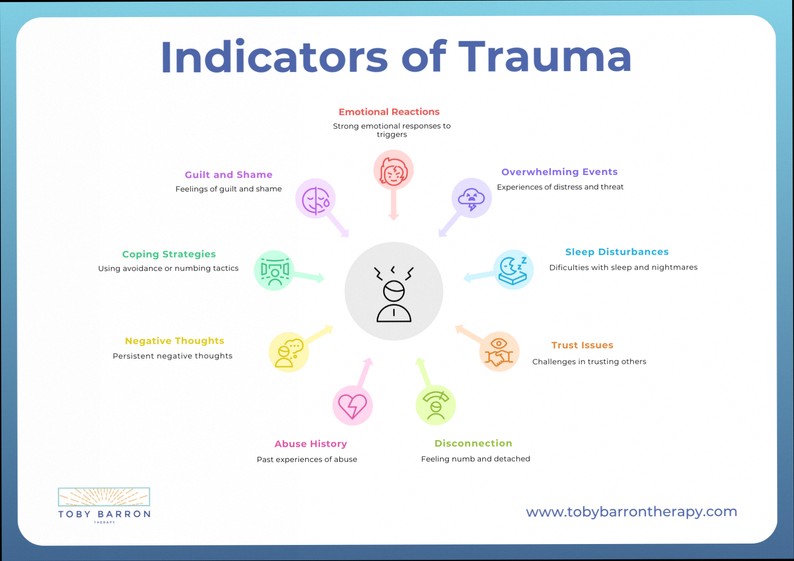
Consider talking with a mental health professional if the results feel concerning, if abandonment fears cause significant distress, or if they disrupt relationships or your daily life, especially if you also experience depression, anxiety, or a history of neglect, criticism, abuse, or humiliation.
Using A “Do I Have Abandonment Issues Quiz” Can Guide Helpful Self-Reflection
If you’re looking for a “do i have abandonment issues quiz,” treat it as a mirror, not a diagnosis. These self-checks look at how strongly fear of being left or rejected shows up as anxiety (needing reassurance, getting distressed when others pull away) and avoidance (pushing people away or struggling to trust closeness). If your results feel concerning or you notice it disrupting your relationships or daily life, consider talking with a mental health professional to get support and build more secure, steady patterns.