
If you’re wondering do i have unresolved trauma quiz results mean, the honest answer is that these quizzes are screening tools, not diagnoses. They can suggest whether trauma-related symptoms are present, but only a licensed mental health professional can assess and diagnose conditions like PTSD.
Most unresolved trauma quizzes ask you to rate how often you’ve experienced certain symptoms over a recent period, often using themes like re-experiencing, avoidance, and hyperarousal. Based on your self-reported answers, the quiz may place you in a low, moderate, or high range, which can be useful for spotting patterns and deciding whether support could help.
If your results are moderate to severe, or if symptoms are affecting your daily life, it’s a good time to consider talking with a therapist. And if you feel unsafe or in crisis, contact local emergency services or a suicide prevention hotline right away.
What These Quizzes Can and Cannot Tell You
If you are searching “do i have unresolved trauma quiz,” you are probably hoping for clarity. Online screeners can help you reflect on patterns in symptoms, but they do not diagnose PTSD or confirm what is happening in your life.
These quizzes usually work by asking about experiences and reactions during a set window of time, then translating your self-reported answers into a rough category. For example, many tools describe themselves as screening instruments, not clinical evaluations, and clinical screening findings are often used to show why screening is different from diagnosis.
How Symptom Ratings Line Up With Trauma Domains
Most “unresolved trauma” quizzes organize questions around themes similar to DSM-style symptom groupings. You might see sections related to re-experiencing, avoidance, and hyperarousal, which are then scored based on how strongly and how often you felt certain statements.
Because the questions are self-reported, the scoring reflects your perception of your symptoms, not a clinician’s observation. Still, the structure can be useful because it forces you to consider emotional, behavioral, and physical reactions together rather than as separate problems.
How to Interpret Score Ranges Without Spiraling
Some quizzes use a simple numeric system, such as rating items on a 0 to 4 scale for the past several months, then summing to a total score. You might see guidance like low signs meaning mild situational stress, moderate signs suggesting patterns may be affecting well-being, and higher ranges indicating symptoms that are strong enough to warrant professional support.
The key is to read your result as a signal, not a verdict. If your score lands in the moderate-to-severe range or if your symptoms interfere with daily life, it is reasonable to seek help. If it is lower, you can still benefit from reflection and coping strategies, especially if certain triggers keep repeating.
Common Patterns People Report on Trauma Screeners
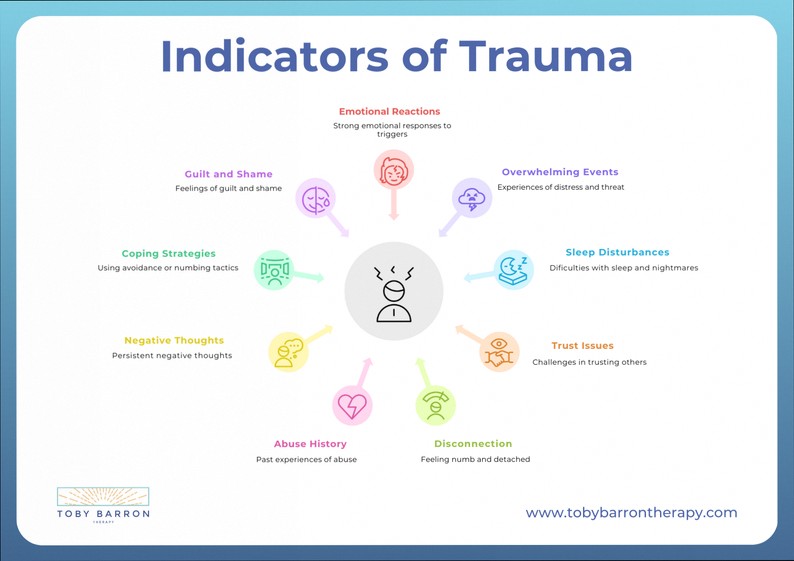
Even when quizzes use different wording, many include similar indicators. You may notice items that point to emotional numbness or feeling disconnected, intrusive memories, persistent nightmares, sleep problems, and feeling on edge or easily startled.
Some people also report avoidance of reminders, recurring emotional surges that feel hard to control, difficulty trusting or maintaining relationships, and strong shame or guilt. Others describe zoning out or losing time, difficulty focusing, or physical symptoms that feel unexplained but show up when stress spikes.
- Intrusive memories that break into your thoughts
- Avoidance of places, conversations, or reminders
- Hyperarousal like irritability, startle response, or constant vigilance
A Practical Look at What the Scores Often Reflect
To make these results feel less abstract, it helps to connect the score themes to real-life experiences. The table below shows how many screeners map common symptom areas to the kind of scoring you might see.
| Symptom Area | How Quizzes Often Score It | Practical Meaning for You |
|---|---|---|
| Re-experiencing | Items rated 0–4 | Intrusive memories or flashbacks |
| Avoidance | Items rated 0–4 | Steering away from reminders |
| Hyperarousal | Items rated 0–4 | Feeling on edge or easily startled |
| Sleep Disruption | Past months window | Nightmares, insomnia, restless sleep |
| Disconnection | Total score contributes | Numbness, zoning out, “not present” |
When you compare your answers to symptom areas like these, you can spot what is most disruptive for you right now. That makes it easier to decide what to prioritize in therapy or support work.

When Moderate-to-Severe Results Earn a Real Conversation
If your quiz result suggests more than mild, temporary stress, it is worth taking a next step. A common rule of thumb is to follow the guidance that moderate-to-severe patterns may be affecting well-being and everyday functioning.
Consider reaching out if you have symptoms that persist, worsen over time, or show up in work, relationships, sleep, or concentration. Even if you are unsure about what caused your symptoms, a qualified mental health professional can help you assess them in a structured way.
Questions to Ask Before You Start Trauma-Focused Therapy
Not every therapist uses the same approach, and you do not need to guess. Before you begin, you can ask how they assess trauma symptoms, how they handle safety during sessions, and what happens if you get overwhelmed.
It can also help to ask what goals they set early on. For many people, the first goals are stabilization and coping skills, not immediately reliving the hardest memories.
- Ask how they screen for trauma-related symptoms and comorbid issues.
- Ask what techniques they use to manage distress during sessions.
- Ask how progress is measured after the first few weeks.
Which Therapy Styles Often Match the Symptoms People Report
Trauma-focused care can include different methods depending on your history, preferences, and symptom profile. Some approaches target intrusive memories and hyperarousal directly, while others focus on how your brain and body respond to reminders and stress.
You might find that your symptoms line up more with anxiety-like patterns, emotional numbing, or relationship stress. That is normal, and it is exactly why a tailored assessment matters. A good therapist will connect your reported symptoms to an approach that fits your needs and pacing.
What You Can Do Right Now While Waiting for Help
You do not have to stop living until you get support. While you arrange an appointment, you can reduce day-to-day strain by building a small toolkit for grounding, sleep support, and emotional regulation.
Pick strategies that match your triggers. If your symptoms spike when you feel unsafe or overstimulated, practice calming techniques before you “hit the wall,” such as paced breathing, sensory grounding, or short walks in low-stimulation settings.
- Grounding when you feel disconnected by naming 5 things you can see
- Sleep routines that reduce late-night rumination and improve consistency
- Trigger notes that track what happened before symptoms flared
Avoid These Common Misreads of Quiz Results
One common mistake is treating a quiz score as proof that you “have” unresolved trauma, or that you “do not.” Your result is one snapshot based on your answers during a defined time window, and other factors like stress, grief, anxiety, depression, or burnout can also shape your symptoms.
Another misread is comparing yourself to someone else’s experience. Even if two people both score in a similar range, their dominant symptoms and underlying causes can be very different. The quiz can guide reflection, but your lived context matters more than the number.
How to Track Symptoms So a Therapist Can Help Faster
If you want your first sessions to be more productive, tracking helps. You can note when symptoms show up, what you were doing, how intense they felt, and what helped even a little.
Focus on patterns over perfection. For example, you can track sleep quality, intrusive thoughts, avoidance behaviors, and emotional shutdown or “zoning out.” Over time, your notes give your clinician clearer data than memory alone.
If You Are in Crisis or Feeling Unsafe
If you are in crisis or you feel at risk of harming yourself or someone else, do not rely on a quiz for next steps. Reach out to local emergency services immediately or contact a suicide prevention hotline in your country.
If you can, stay with someone you trust or move to a safer environment while you get help. Trauma-related distress can feel overwhelming, and support is available right now, not only after you finish screening.
Can an Unresolved Trauma Quiz Help You Understand Your Symptoms?
What does a do i have unresolved trauma quiz measure?
A do i have unresolved trauma quiz typically uses your self-reported symptoms—often related to re-experiencing, avoidance, and hyperarousal—to estimate whether trauma-related symptoms may be present.How do I interpret do i have unresolved trauma quiz scores?
Most unresolved trauma quiz formats group totals into ranges that suggest mild to severe symptom patterns; they do not confirm causes, but they can help you decide whether support or further assessment may be useful.Can an unresolved trauma quiz diagnose PTSD?
No, these screening tools are not medical diagnoses and cannot confirm PTSD; a qualified clinician is needed to evaluate your history, current impairment, and diagnosis.What symptoms are commonly listed in an unresolved trauma screening?
Common items include emotional numbness or disconnection, intrusive memories, nightmares or sleep problems, feeling on edge or easily startled, avoidance of reminders, and difficulty focusing or staying grounded.When should I seek professional help after taking an unresolved trauma quiz?
If your results suggest moderate to severe symptoms or they affect daily life, reaching out to a licensed mental health professional can provide an accurate assessment and evidence-based support.What should I do if my quiz indicates severe distress or unsafe feelings?
If you feel in immediate danger or have safety concerns, contact local emergency services or a suicide and crisis hotline right away, and do not rely on the quiz as your only source of help.
A Quiz Can Help You Check In, Not Diagnose
If you are wondering, do i have unresolved trauma quiz, remember that free online screeners are meant to reflect your self-reported symptoms and flag when trauma-related difficulties might be present, not to diagnose PTSD. If your results suggest moderate to severe impact on daily life, reaching out to a licensed mental health professional can help you get proper support, and if you are in immediate crisis or have safety concerns, contact local emergency services or a suicide prevention hotline right away.