
Do I Have People Pleasing Tendencies Quiz: Take It and Reflect
You likely have people-pleasing tendencies if you often say yes to keep others happy, struggle to set boundaries, feel guilty when you refuse, and worry about criticism or conflict. If your own needs get pushed aside, you may be using approval as a way to feel safe or valued.
This Do I Have People Pleasing Tendencies Quiz typically includes a short set of yes/no or frequency questions about common patterns like excessive apologizing, feeling responsible for other people’s emotions, and feeling anxious when you stand up for yourself. You then compare your score range to see how strongly these behaviors show up.
Use the results as a self-reflection tool, not a medical diagnosis. If your quiz score is in the moderate to high range, or if people-pleasing is causing ongoing emotional exhaustion, anxiety, one-sided relationships, or loss of self, talking with a licensed therapist can help you build clearer boundaries and address what drives the need to be liked.
What the Do I Have People Pleasing Tendencies Quiz Really Measures
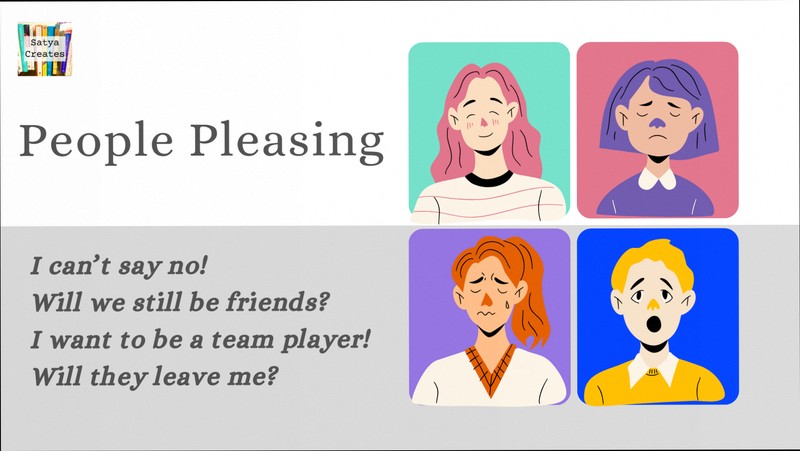
A do i have people pleasing tendencies quiz is designed to help you notice patterns in how you respond to other people, especially when you feel pressure to keep things smooth. People-pleasing often shows up as a habit of prioritizing approval over your own needs, even when that choice quietly drains you.
These quizzes typically act like a mirror rather than a diagnosis. They can be useful for self-awareness, because they reflect common behaviors linked to boundary struggles, guilt, and fear of conflict.
Common Questions You’ll See on People-Pleasing Quizzes
Most quizzes use short statements about feelings and behaviors, then ask you to pick a frequency like never, sometimes, often, or a yes or no option. The goal is to capture the real-life moments when you choose comfort for someone else over honesty for yourself.
You’ll frequently see items related to:
- Saying No feels risky, even when your capacity is limited
- Over-Apologizing or minimizing your needs to avoid backlash
- Self-Neglect like skipping sleep, goals, or basic care to keep others happy
How Scoring Usually Works and What Your Result Means
Scoring varies by quiz, but the structure is usually straightforward. Each answer contributes to a total score, and the quiz groups results into ranges like low, moderate, or high people-pleasing tendencies.

A high score often suggests your responses align with patterns such as approval-seeking, anxiety when you disappoint others, and difficulty setting boundaries. A low score usually points to fewer triggers, or a stronger ability to choose yourself without a surge of guilt.
Why Results Should Stay Educational, Not Diagnostic
Even well-designed quizzes are still screening tools. They can highlight likely patterns, but they cannot replace a professional evaluation or explain everything about your mental health.
One reason is that people-pleasing can overlap with other issues like social anxiety, trauma responses, perfectionism, or burnout. So it helps to treat your score as a starting point for reflection, not a label you must obey.
Signs That People-Pleasing Goes Beyond “Being Nice”
Being kind is not the same as people-pleasing. The difference is usually about cost: you might be polite, supportive, and respectful, while still able to pause and say what you need.
People-pleasing tends to become more intense when you routinely:
- Feel responsible for other people’s emotions
- Agree quickly, then resent yourself later
- Hide preferences so you can avoid criticism or conflict
When It’s Helpful to Talk With a Therapist
If your quiz result is moderate to high, it does not mean you are “broken.” It can mean your boundary instincts need support, especially if people-pleasing is creating one-sided relationships or emotional exhaustion.
It can be especially worth speaking with a licensed therapist when you notice persistent guilt after refusing, frequent anxiety about disappointing others, or a loss of sense of self. For a general reference on structured screening, people-pleasing screening tests can offer a helpful perspective alongside professional guidance.
Turn Quiz Insights Into Real Boundary Habits
After you get your result, the practical question is what you want to change in the next two weeks. People-pleasing often improves fastest when you pick one behavior to practice, because trying to fix everything at once can backfire.
Here’s a simple way to connect quiz themes to measurable habits. Use it to choose what to work on first.
| Quiz Theme | Common Pattern | Practical Metric |
|---|---|---|
| Saying No | Agree to avoid tension | Refuse 1 request/week |
| Apologizing | Sorry for neutral needs | Cut “sorry” by 50% |
| Responsibility | Own others’ feelings | Use “I can’t” twice/day |
| Self-Neglect | Skip sleep or plans | Protect 1 goal weekly |
| Conflict Fear | Change your opinion fast | State preferences once/day |
Pick metrics that feel realistic. If your goal is too ambitious, you will feel like a failure, even though you are learning a new pattern.
How to Answer the Quiz Honestly Without Overthinking
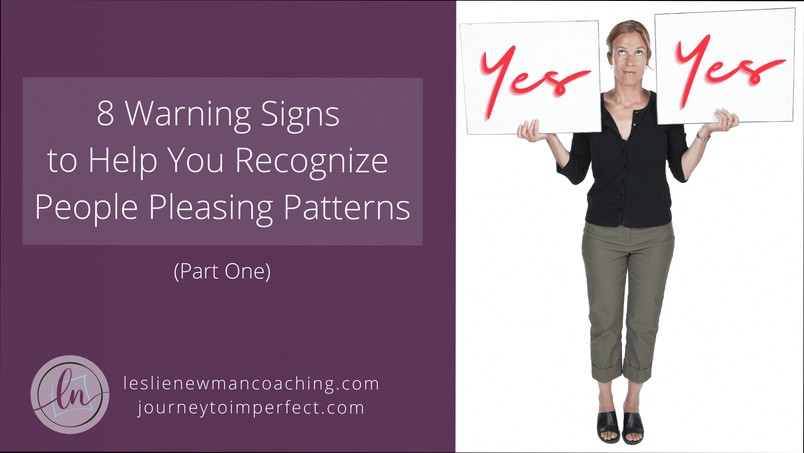
To get a useful result, answer based on how you typically behave, not on how you wish you acted. Consider the last few months of situations where you felt pressure to accommodate.
If you catch yourself saying, “But I’m not always like that,” pause and think about your average response. Small exceptions matter less than the overall direction your choices take when you feel uncomfortable.
You can also reduce overthinking by answering quickly. A pattern emerges from your first instincts more than from perfectly worded rationalizations.
Practice Scripts That Reduce Guilt When You Say No
Guilt often spikes right after you set a boundary, not because your boundary is wrong, but because your brain expects conflict. Scripts help you stay grounded while your comfort level catches up.
Try short, repeatable options:
- Delay with “I need time to think.”
- Limit with “I can help for 20 minutes, not longer.”
- Decline with “No, that does not work for me.”
These statements are simple on purpose. The goal is to communicate clarity without negotiating your worth.
Common Mistakes That Make People-Pleasing Feel Worse
Many people try to “fix” people-pleasing by becoming harsher or colder. That approach can create new problems, because it swaps one avoidance pattern for another.
Another mistake is treating every disagreement as an emergency. If you’re used to seeking approval, your body may interpret normal friction as danger, even when the relationship can handle honesty.
Finally, avoid using quiz results as self-criticism. Scores are meant for guidance, not punishment.
How Relationships, Culture, and Roles Shape the Pattern
People-pleasing doesn’t happen in a vacuum. Workplace dynamics, family expectations, gender roles, and cultural norms can all shape how safe it feels to say no or express a preference.
For example, someone who grew up in a home where emotions were treated as “everyone’s responsibility” may learn to manage others’ moods as a survival skill. A quiz may reflect that history, but it should not be the final word on who you are.
Keep Momentum With Check-Ins and Gentle Progress Tracking
Once you start practicing boundaries, you’ll want proof that the effort is paying off. That proof can be subtle at first, like fewer resentful outbursts or a clearer sense of what you actually want.
Use a simple weekly check-in. Write down one situation where you prioritized your needs, one moment guilt showed up, and one thing you did to respond calmly. Over time, people-pleasing tendencies often soften when you build new evidence that your relationships can survive honesty.
Do I Have People-Pleasing Tendencies Quiz: What It Measures and How to Interpret Results
What does a do i have people pleasing tendencies quiz measure?
A do i have people pleasing tendencies quiz measures how often you prioritize others’ needs over your own, such as difficulty saying no, fear of criticism, excessive apologizing, and guilt when you set boundaries.How do I take a do i have people pleasing tendencies quiz and score it?
Typically you answer quick yes/no or frequency questions about behaviors and feelings, then your responses are tallied into low, moderate, or high ranges to estimate how strongly people-pleasing shows up.How should I interpret the results of a do i have people pleasing tendencies quiz?
Low scores suggest fewer tendencies, moderate may indicate patterns that affect you at times, and high scores suggest the pattern is frequent—especially if it leads to stress, guilt, or self-neglect.Are people-pleasing quizzes clinically validated or able to diagnose me?
Most quizzes are educational screening tools, not clinical diagnoses, so use them for self-reflection and consider talking with a licensed therapist if results feel strongly accurate or you’re struggling with anxiety or burnout.What common signs of people-pleasing appear in a do i have people pleasing tendencies quiz?
Common signs include suppressing your opinions, going out of your way when you can’t, feeling responsible for others’ emotions, avoiding conflict, and feeling anxious or embarrassed when you stand up for yourself.What should I do if my do i have people pleasing tendencies quiz shows high tendencies?
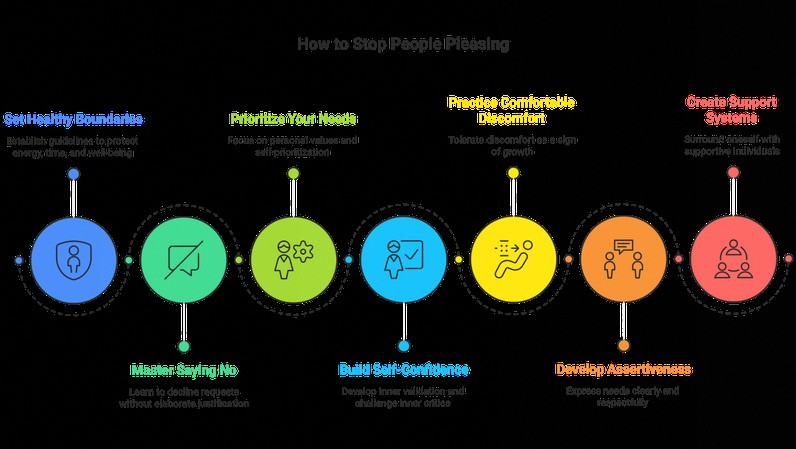
You can practice clearer boundaries, say no without over-explaining, notice guilt or fear in the moment, and build routines that protect your needs, and a therapist can help address the beliefs driving approval-seeking.
Thinking About a People-Pleasing Self Check
A do i have people pleasing tendencies quiz can be a useful starting point to notice patterns like difficulty saying no, excessive apologizing, or feeling anxious when you stand up for yourself. If the results hint at stronger people-pleasing habits, consider using that insight to practice small boundaries and get support from a therapist when it leads to ongoing guilt, stress, or emotional exhaustion.