
A ulcerative colitis quiz can’t tell you if you have ulcerative colitis for sure, but it can help you check whether your symptoms match common UC patterns. If your answers suggest concern, the safest next step is to contact a clinician or, ideally, a gastroenterologist.
These quizzes usually focus on signs such as rectal bleeding, bloody or frequent diarrhea, abdominal cramping, and urgency to pass stool. They may also ask about how long symptoms last, whether they come and go, and any related health issues, but none of that replaces a medical evaluation.
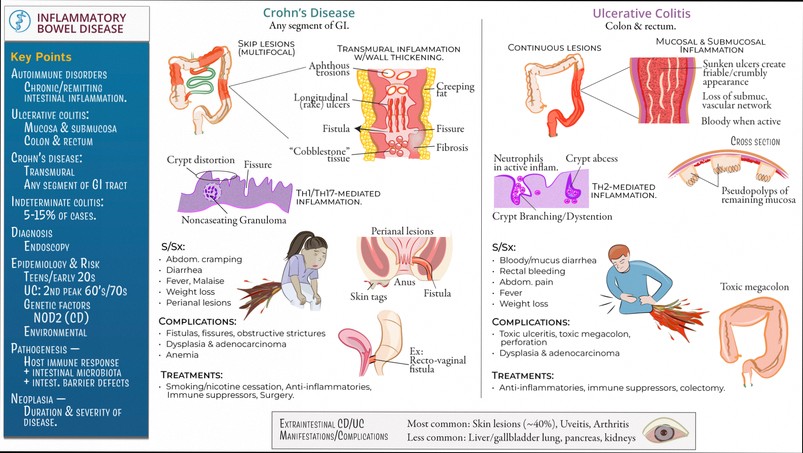
If you’re using a quiz, treat it as a starting point to track your symptoms and prepare for an appointment. Seek urgent care if you have severe worsening symptoms, high fever, significant abdominal pain, or signs of dehydration, and bring your quiz responses so your doctor can guide the next steps and appropriate testing.
What a UC Quiz Can Tell You and What It Cannot
A “do i have ulcerative colitis quiz” is usually a symptom self-check, not a diagnosis. It can help you see whether your experiences line up with common ulcerative colitis (UC) patterns, but it cannot confirm the disease or rule out other causes.
Think of a quiz as a way to organize clues. If your answers raise concern, the practical next step is to book an appointment with a primary care clinician, and ideally a gastroenterologist, and bring your quiz results to guide the conversation.
Common UC Symptoms You’ll See in Most Question Sets
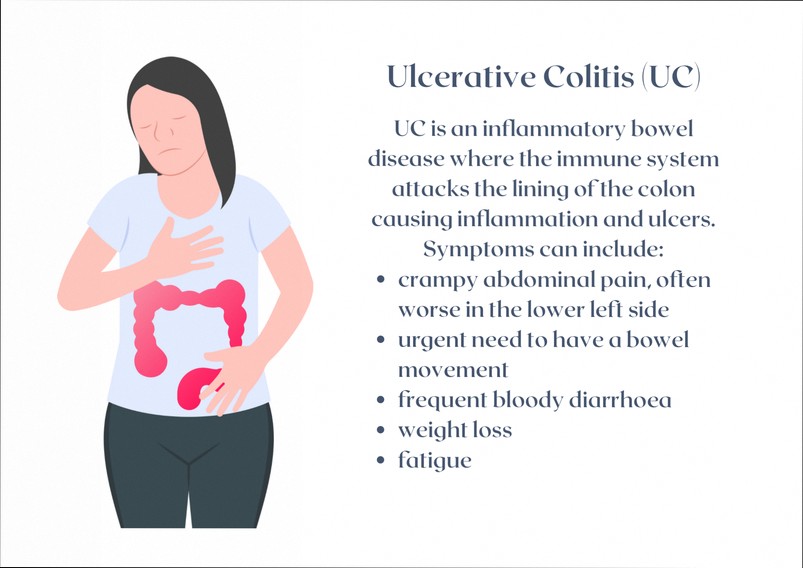
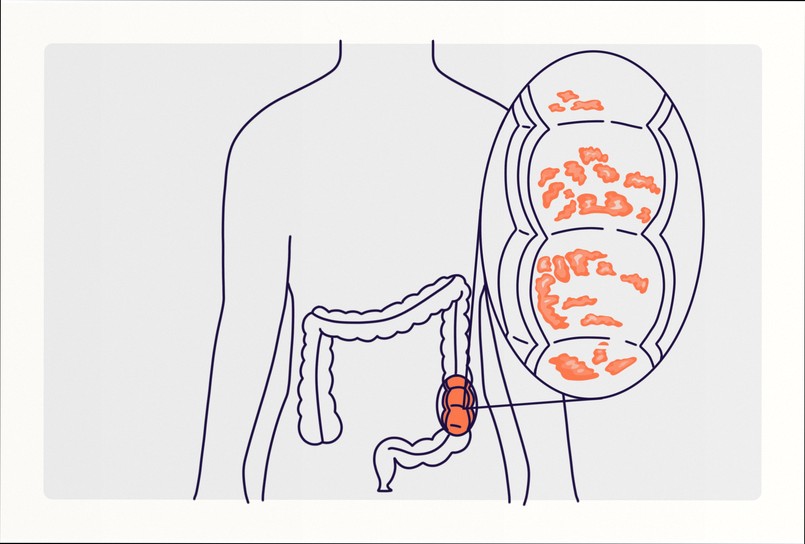
Most UC questionnaires focus on what affects the colon and rectum. That often includes rectal bleeding, bloody diarrhea, abdominal pain, and changes in stool such as urgency or frequency.
Many quizzes also ask whether symptoms flare up and calm down, because UC is typically chronic with periods of activity. Some include questions about related conditions, including primary sclerosing cholangitis, since clinicians sometimes screen for it in certain patients.
Red Flags That Mean You Should Get Help Quickly
Not every UC-like symptom is an emergency, but some patterns should be evaluated urgently. A severe flare can lead to complications, and quizzes often include educational prompts about that risk.
Be extra cautious if you have high fever, marked abdominal pain or distension, or profuse diarrhea, especially if symptoms escalate quickly. These can be warning signs for severe colitis, where conditions like toxic megacolon are a concern and prompt medical assessment matters.
How Questionnaires Ask About Timing, Triggers, and Patterns
Good symptom quizzes try to capture timing, because UC symptoms often follow a recognizable pattern. They may ask when bleeding started, how long diarrhea has lasted, and whether symptoms worsen after meals or during stress.
Some also ask what you tried already, such as anti-diarrheal use, anti-inflammatory meds, or recent antibiotic courses. When you answer, focus on what actually happened, not what you suspect, so your clinician can interpret the story accurately.
What Happens After a Quiz Raises Concern
If your quiz results suggest possible UC, clinicians typically move from “symptom matching” to testing that can confirm inflammation and assess severity. Many people expect a single test, but UC evaluation usually combines history, labs, stool studies, and visualization of the bowel.
Many quizzes mirror clinical symptom patterns that clinicians document and then verify with objective findings.
Below is a quick look at common tests and what they help clarify.
| Test | What It Measures | Why It Matters |
|---|---|---|
| Stool Calprotectin | Inflammation marker | Helps gauge active disease (often higher) |
| CRP and ESR | Blood inflammation | Supports severity context (e.g., higher mg/L) |
| CBC | Blood counts | Shows anemia or infection clues |
| Colonoscopy With Biopsies | Direct lining inspection | Confirms UC pattern and severity |
| Imaging When Needed | Complication checks | Evaluates complications if symptoms are severe |
Your exact plan depends on your symptoms and how urgent your situation is. The goal is not just to label a condition, but to determine how extensive it is and what level of treatment is appropriate.
Treatment Basics That Depend on Severity
Once UC is confirmed, treatment choices usually follow symptom severity and the extent of colon involvement. Mild disease often gets first-line approaches aimed at calming inflammation, while more severe flares require faster, more intensive management.
You may also hear clinicians discuss short-term goals, like reducing bleeding and urgency, and long-term goals, like maintaining remission. It helps to ask what “remission” means in your case, since it can involve both symptoms and lab or stool markers.
First-Line Medication Options for Mild UC
For mild UC, clinicians commonly start with 5-aminosalicylates (5-ASA). Examples include medications such as sulfasalazine, which work by delivering anti-inflammatory action to the bowel lining.

When you review quiz results with a clinician, you can discuss which symptoms are present and how often they occur. That information helps determine whether 5-ASA alone is a reasonable starting point or whether you need an escalation plan.
Some people also benefit from targeted rectal therapy for distal disease, such as suppositories or enemas, when inflammation is focused near the rectum. Your clinician can tell you what fits your location of disease.
What Evaluation Looks Like for Severe Flares
Severe UC is treated as urgent because complications can develop and symptoms can worsen rapidly. If your quiz responses include fever, significant pain, or profuse diarrhea, a clinician may recommend urgent evaluation rather than waiting.
In severe cases, the approach often shifts to faster-acting medications and careful monitoring. The team may check for dehydration, infection, and other contributors, then adjust treatment based on your test results and how you respond over the first days.
Surgery When Disease Is Extensive or Complicated
Not every person with UC needs surgery, but it becomes a real option for some cases, especially when disease is extensive, difficult to control, or complicated. Your quiz may mention that surgery can be necessary, and it is reasonable to ask what that means for your long-term outlook.
When surgery is considered for extensive disease, one commonly discussed pathway involves ileal pouch-anal anastomosis, often called a J-pouch in conversation. A gastroenterologist and colorectal surgeon can explain risks, expected bowel changes, and how follow-up care works after surgery.
Diet and Pain Relief Choices That Can Confuse Symptoms
Many people try to manage symptoms with diet changes, but UC is an inflammatory condition, so food alone may not fix the underlying problem. That is why quizzes that hint at “major diet changes” should be treated carefully, especially before you have a medical workup.
It is also important to talk about pain relief. NSAIDs are generally not first-line for UC pain, because they can be problematic for some people. If you are using pain or anti-inflammatory medications already, tell your clinician so they can interpret symptoms in context.
If you want to try changes, focus on what you can track and share, rather than making multiple swaps at once. A simple symptom log helps you and your clinician separate patterns from guesswork.
How to Turn Quiz Results Into a Useful Appointment Plan
Bring your quiz answers to your appointment, but also go one step further with a short, clear summary. Your goal is to help your clinician understand severity, timing, and impact on daily life.
Consider following this practical approach:
- Write down when symptoms started and how they changed over time.
- List current symptoms, especially rectal bleeding, stool changes, and abdominal pain.
- Record any meds you tried, including NSAIDs, anti-diarrheals, and recent antibiotics.
When you ask questions, focus on next steps like which tests are needed, what symptoms require urgent care, and how long it should take to get answers.
Mistakes to Avoid After Taking a UC Quiz
One of the biggest mistakes is treating a quiz result as a self-diagnosis. Another common issue is delaying care while trying to “wait it out,” especially when symptoms point toward active inflammation.
Also avoid making big lifestyle changes that you cannot explain to your clinician. If you remove multiple foods, start supplements, and change medications all at once, it becomes harder to identify what helped and what made symptoms worse.
Finally, if your symptoms include red-flag signs like high fever, worsening abdominal pain, or profuse diarrhea, do not rely on a quiz to guide your timeline. Seek medical evaluation early so the right testing and treatment can happen promptly.
Can a Do I Have Ulcerative Colitis Quiz Help Me Check My Symptoms?
What does a Do I Have Ulcerative Colitis quiz check, and can it diagnose UC?
A Do I Have Ulcerative Colitis quiz can only screen for symptom patterns like rectal bleeding or bloody diarrhea, but it cannot diagnose ulcerative colitis and should not replace a clinician’s evaluation.Which symptoms are usually included in a Do I Have Ulcerative Colitis quiz?
Most ulcerative colitis quizzes focus on common UC signs such as bloody or mucus-filled diarrhea, urgency or frequent stools, abdominal cramping or pain, and symptom changes that persist over time.How accurate is a Do I Have Ulcerative Colitis quiz compared with a GI doctor assessment?
Quiz results can be useful for deciding whether to seek care, but accuracy is limited because UC overlaps with infections, Crohn’s disease, and other causes of colitis.When should I seek urgent care after taking a Do I Have Ulcerative Colitis quiz?
Get urgent medical care if you have high fever, severe or worsening abdominal pain with distension, persistent profuse bleeding or diarrhea, signs of dehydration, or weakness that feels out of proportion.What tests might a clinician order after my ulcerative colitis quiz results?
Doctors often use a combination of stool tests, blood work, and colonoscopy with biopsies to confirm inflammation and rule out infection, then assess severity to guide treatment.Can diet or medication replace a Do I Have Ulcerative Colitis quiz?
Diet can support symptom control but does not cure UC, and medication should be chosen by a clinician based on severity, commonly starting with therapies like 5-aminosalicylates and escalating if needed.
Using A Do I Have Ulcerative Colitis Quiz Safely
A do i have ulcerative colitis quiz can help you think through whether your symptoms line up with common UC patterns, but it cannot diagnose the condition. If your answers raise concern, use the results to guide a conversation with a primary care clinician or, ideally, a gastroenterologist, and watch for red flags like high fever, severe abdominal pain, or profuse diarrhea that need prompt care.